
When considering what do fancy mouse eat, it is essential to look beyond simple seeds and grains. A healthy diet for a fancy mouse is built on nutritional balance, mimicking the diverse foraging habits these rodents would naturally exhibit in the wild. While they are opportunistic omnivores, their digestive systems are finely tuned to process specific ratios of proteins, fats, and complex carbohydrates to support their high metabolic rates.
Providing the right fuel for your pet goes beyond just filling a bowl. Understanding the interplay between commercial lab blocks, fresh produce, and occasional proteins is key to preventing common health issues like obesity or nutritional deficiencies. By prioritizing high-quality, species-specific nutrition, you ensure your mouse maintains optimal energy levels, a healthy coat, and a robust immune system throughout its life.
At a Glance: The Nutritional Foundation
- Staple Diet: High-quality, fortified rodent lab blocks or pellets.
- Fresh Additions: Small portions of leafy greens, vegetables, and occasional fruits.
- Protein Boosts: Cooked egg, mealworms, or plain cooked chicken in moderation.
- Hydration: Constant access to clean, filtered water via a drip bottle.
- Avoid: High-sugar foods, citrus, raw beans, and chocolate.
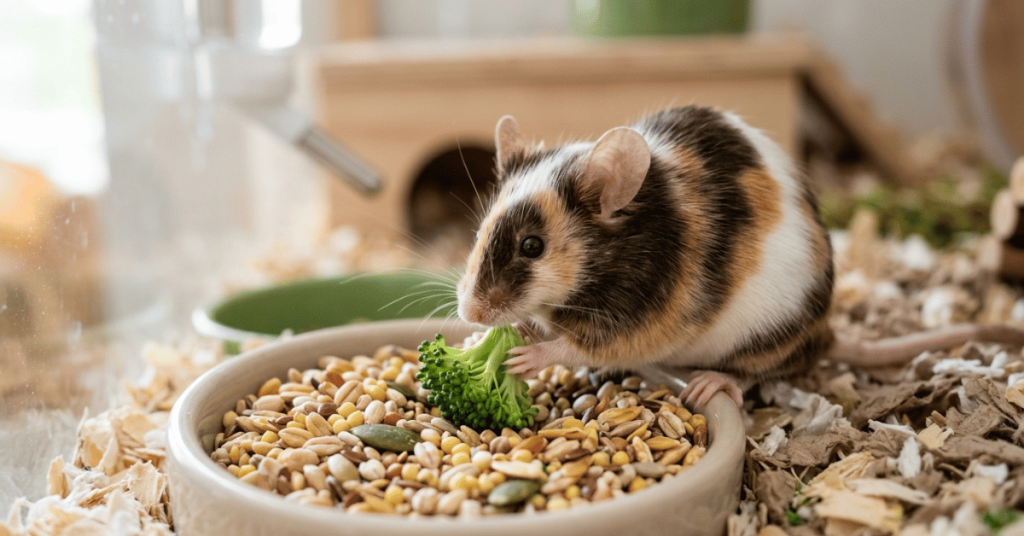
The Role of Commercial Rodent Blocks
The cornerstone of a mouse’s diet should be a high-quality, lab-formulated rodent block. Unlike seed mixes, which allow mice to selectively pick their favorite high-fat items and leave behind essential nutrients, blocks provide a complete, balanced meal in every bite. This prevents “selective feeding,” a common mistake where a mouse consumes only the sunflower seeds and neglects the vitamins and minerals found in other components.
When selecting a block, look for a formula specifically designed for mice or rats. These are typically lower in fat and higher in fiber compared to diets designed for other small animals. The hardness of these blocks also serves a secondary purpose: it helps wear down the mouse’s continuously growing incisors, supporting better dental health over time.
Why Seed Mixes Are Not Enough
Many owners wonder if they can simply feed their mice a store-bought seed mix. While seeds can be used as an occasional foraging treat, they are generally too high in fat and too low in essential amino acids and calcium. Relying solely on seeds often leads to nutritional imbalances and weight gain. If you do choose to provide a seed mix, it should represent no more than 10% to 15% of the total caloric intake, serving as an enrichment tool rather than a dietary foundation.
Understanding Nutrient Density and Metabolic Needs
Fancy mice (Mus musculus) possess an incredibly high metabolic rate. This means they require a steady supply of energy-dense food. However, “energy-dense” does not mean “calorie-dense” in the form of simple sugars or fats. A balanced rodent block is formulated to provide complex carbohydrates that break down slowly, ensuring the mouse has consistent energy throughout its active periods. When evaluating a brand, check the ingredient list for high-quality protein sources like soy or fish meal rather than fillers like corn or wheat middlings, which offer less nutritional value.
Incorporating Fresh Produce and Proteins
While lab blocks provide the baseline, adding variety through fresh foods can significantly improve your mouse’s quality of life. Fresh produce offers hydration and essential phytonutrients that are often lost during the processing of dry kibble. However, moderation is the golden rule here; too much moisture can lead to digestive upset.
Safe Vegetables and Fruits
Leafy greens like kale, spinach, and romaine lettuce are excellent choices. You can also offer small cubes of carrot, cucumber, or broccoli. When introducing new vegetables, do so slowly to monitor for any signs of gastrointestinal distress. Fruit should be treated as a rare treat due to its high sugar content; a tiny slice of apple (without seeds) or a small piece of berry is sufficient. Always wash produce thoroughly to remove pesticide residues, as a mouse’s small body size makes them particularly sensitive to chemical exposure.
Protein Supplements
Because mice are omnivorous, they benefit from small amounts of animal-based protein. This is especially important for growing mice or those recovering from illness. Excellent sources include:
- Small pieces of plain, hard-boiled egg.
- A few dried or live mealworms.
- Tiny portions of plain, cooked chicken or turkey (no seasoning or oils).
- A small amount of plain, low-fat yogurt.
These should be offered sparingly—perhaps once or twice a week—to avoid excessive protein intake, which can place stress on the kidneys if overdone. When providing live insects like mealworms, ensure they are sourced from reputable pet suppliers to avoid parasites that might be present in wild-caught specimens.
The Importance of Foraging Enrichment
Beyond basic nutrition, the way you present food matters. In the wild, mice spend a significant portion of their waking hours foraging. You can replicate this by scattering a small portion of their daily dry food in the bedding rather than using a bowl. This encourages natural behaviors and provides mental stimulation, which is vital for the psychological well-being of a pet mouse. Use this technique sparingly to ensure you can still monitor how much they are eating.
Foods to Avoid: Safety First
Knowing what do fancy mouse eat is only half the battle; knowing what to keep out of the cage is equally critical. Some common human foods are toxic to mice or can cause severe health complications. Always avoid the following:
- Chocolate and Caffeine: Both contain compounds that are highly toxic to small rodents.
- Citrus Fruits: The acidity can be harmful to a mouse’s sensitive digestive tract.
- Raw Beans or Potatoes: These contain lectins and solanine, which are dangerous when uncooked.
- Onions and Garlic: These can cause damage to red blood cells.
- Sticky or Sugary Foods: Peanut butter (if not thinned significantly) or candy can cause choking or dental impaction.
- Rhubarb: Contains oxalates that can interfere with calcium absorption and cause kidney issues.
Recognizing Signs of Dietary Distress
If your mouse is not thriving, the diet is often the first place to look. Signs of poor nutrition include a dull or thinning coat, lethargy, or sudden changes in weight. If a mouse is consuming only the “tasty” parts of a mix and ignoring the blocks, they may be suffering from selective feeding, which leads to vitamin deficiencies. In such cases, you may need to switch to a uniform pellet or block that prevents the mouse from picking and choosing. Always consult a veterinarian if you suspect your mouse is suffering from a nutritional deficiency or illness.
Establishing a Feeding Routine
Consistency is vital for maintaining a healthy weight. Most mice are nocturnal or crepuscular, meaning they are most active during the evening and early morning. Offering the bulk of their fresh food during their active hours ensures they consume it while it is still fresh, reducing the risk of spoilage in the cage. Remove any uneaten fresh food after a few hours to prevent mold growth, which is a significant health hazard in the humid environment of a cage.
Monitoring Body Condition
Monitor your mouse’s body condition regularly. A healthy mouse should have a smooth coat and an active demeanor. If you notice weight loss, lethargy, or changes in stool, review their diet immediately. Often, the culprit is an imbalance in the ratio of staple blocks to supplemental treats. Remember, the goal is to provide a diet that supports their natural biological needs while keeping them engaged through safe, varied foraging opportunities. Weighing your mouse periodically using a small digital kitchen scale can help you catch weight fluctuations early, allowing for dietary adjustments before a health issue becomes critical.
Hydration and Water Quality
While food is the primary focus, water is the most important nutrient. Mice require constant access to clean, filtered water. Tap water is generally safe, but if your local water supply is heavily chlorinated, using a water conditioner or filtered water can be beneficial. Ensure the water bottle is cleaned at least twice a week to prevent the buildup of algae or bacterial biofilms, which can cause gastrointestinal issues in small, sensitive rodents.
FAQ
Can mice eat cheese?
While mice can technically digest small amounts of cheese, it is not recommended as a regular food source. Most cheeses are high in fat and salt, which can contribute to obesity and health issues. If you choose to offer it, keep the portion extremely small and infrequent.
How much should a fancy mouse eat per day?
On average, an adult fancy mouse consumes about 3 to 5 grams of food per day. However, this varies based on age, activity level, and the specific energy density of the food provided. It is best to provide a consistent amount of high-quality lab blocks and monitor their weight to ensure they are neither losing nor gaining excessive weight.
Is it necessary to provide water in a bowl or a bottle?
A drip-style water bottle is generally preferred for mice because it keeps the water clean and prevents the mouse from accidentally soaking their bedding or drowning. Ensure the bottle is checked daily to confirm the ball bearing is working and the water is fresh.
Can I feed my mouse table scraps?
It is best to avoid feeding table scraps. Most human meals contain seasonings, oils, salts, and sugars that are unhealthy or toxic for mice. Stick to fresh, raw vegetables and plain, unseasoned proteins to ensure their safety.
What should I do if my mouse stops eating?
A sudden loss of appetite in a mouse is a serious concern that requires immediate attention. It can indicate dental issues, such as overgrown teeth, or an underlying illness. If your mouse refuses to eat for more than 24 hours, consult a veterinarian who specializes in exotic pets.