
The wood mouse, scientifically known as Apodemus sylvaticus, is a highly adaptable small mammal found across a variety of habitats, ranging from dense woodlands to open gardens. Understanding what do wood mouse eat is essential for anyone interested in local ecology or managing wildlife interactions on their property. These nocturnal foragers are opportunistic omnivores, meaning their diet shifts significantly depending on the time of year and the resources available in their immediate surroundings.
Because they are not picky eaters, wood mice play a complex role in the ecosystem, acting as both seed dispersers and prey for larger predators. Their ability to thrive in diverse conditions is largely due to their flexible feeding strategies. By examining their seasonal habits and preferred food sources, we can gain a clearer picture of how these creatures sustain themselves throughout the year.
At a Glance: The Wood Mouse Diet
- Primary Staples: Seeds, nuts, and berries.
- Seasonal Additions: Insects, worms, and fungi.
- Opportunistic Sources: Human-provided food, garden crops, and seedlings.
- Foraging Style: Nocturnal, caching behavior, and sensory-driven searching.
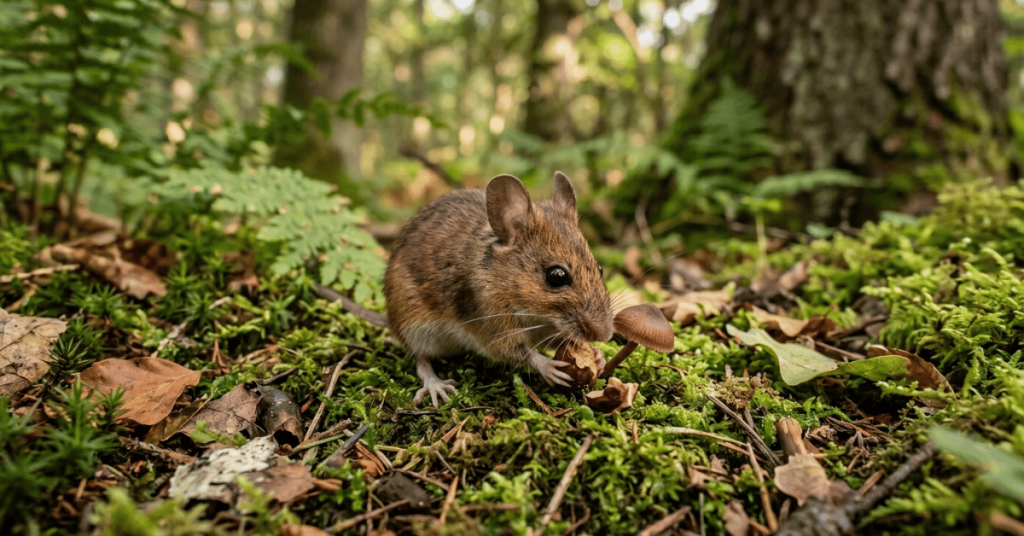
The Seasonal Nature of Wood Mouse Foraging
The diet of the wood mouse is rarely static. Instead, it follows a rhythm dictated by the changing seasons. In the autumn, these rodents are hyper-focused on gathering high-energy food sources to survive the winter months. This is the time of year when you are most likely to see them actively foraging for fallen tree seeds, such as acorns, beech mast, and hazelnuts. They are expert hoarders, often creating underground caches that sustain them when natural food becomes scarce.
As winter sets in, their options narrow significantly. During these colder months, they rely heavily on the food they stored earlier, though they will also consume tree bark, roots, and any remaining fungi they can locate. This period represents the most challenging time for the wood mouse, and their survival often depends on the success of their autumn hoarding efforts.
Spring and Summer Dietary Shifts
When spring arrives, the wood mouse diet expands rapidly. As vegetation begins to grow, they shift their focus toward new shoots, buds, and emerging seedlings. This is often when they become most noticeable in gardens, as they may target newly planted vegetable patches or flower beds. The influx of insect life also provides a critical source of protein during the breeding season, which is essential for the growth and development of young mice.
Throughout the summer, they take advantage of the abundance of soft fruits and berries. While they are primarily seed-eaters, they will not hesitate to consume blackberries, raspberries, or fallen orchard fruits. This dietary variety ensures they receive the necessary vitamins and minerals to maintain their health during the warmer, more active months.
The Role of Insects and Animal Matter
While many people assume that small rodents are strictly herbivorous, the wood mouse is a true omnivore. Insects, snails, and earthworms make up a surprising portion of their intake. This animal matter is particularly important for females during the lactation period, as it provides high-quality protein that is difficult to obtain from seeds alone. By consuming invertebrates, they also help regulate insect populations in the leaf litter, contributing to the overall health of the forest floor.
The inclusion of animal protein is not merely a supplement; it is a strategic nutritional choice. During peak breeding months, the metabolic demands of nursing mothers increase significantly. Wood mice will actively hunt for small larvae, beetles, and even carrion if available. This behavior highlights their role as opportunistic predators, allowing them to bridge nutritional gaps when plant-based carbohydrates are less abundant or lower in protein density.
Foraging Behavior and Food Caching
Understanding how they find food is just as important as knowing what they eat. Wood mice are primarily nocturnal, using their keen sense of smell and sensitive whiskers to navigate the dark. They are cautious foragers, preferring to move under the cover of vegetation to avoid detection by owls, foxes, and weasels. When they find a significant food source, they rarely eat it all on the spot.
Instead, they exhibit a behavior known as scatter-hoarding. They will carry individual seeds or nuts back to their burrows or stash them in small, hidden pits throughout their territory. This strategy serves two purposes: it reduces the time they spend exposed to predators, and it ensures they have a backup supply of food if their primary foraging grounds are disturbed. This habit is also vital for forest regeneration, as many of the seeds they cache are never recovered and eventually germinate into new trees.
The Mechanics of Caching
The caching process is highly systematic. Wood mice often demonstrate spatial memory, allowing them to return to specific stashes even after several days. This cognitive ability is a key component of their survival strategy. In environments where food is patchily distributed, the ability to remember the location of high-calorie caches can mean the difference between survival and starvation during harsh weather events. For gardeners, this explains why you might find mysterious piles of seeds in potting sheds or under garden debris—these are the carefully curated larders of the local wood mouse population.
Nutritional Requirements and Ecological Resilience
The wood mouse diet is a masterclass in ecological resilience. Because Apodemus sylvaticus occupies a wide range of habitats, from suburban gardens to ancient woodlands, they must be able to adapt their nutritional intake to whatever is available. Their digestive system is highly efficient at processing a variety of plant fibers, complex carbohydrates, and proteins. This flexibility is what makes them one of the most successful small mammal species in their range.
When natural food sources like mast (the fruit of forest trees) fail, wood mice do not simply perish. They shift their foraging focus to fungi, mosses, and even the cambium layer of tree bark. While these are not their preferred foods, they provide enough sustenance to maintain basic metabolic functions until more favorable conditions return. This ability to switch food sources is a primary reason why wood mouse populations remain stable even in fluctuating environments.
Common Misconceptions About Wood Mouse Feeding
A common mistake in observing wildlife is assuming that wood mice are purely pests that only target human crops. While they can be a nuisance in a garden, they are also essential components of the food web. Another frequent error is the belief that they only eat grains. In reality, their diet is incredibly diverse, and they are capable of switching between food types with remarkable speed. If a particular seed crop fails, they will immediately pivot to insects or fungi, demonstrating a level of ecological resilience that allows them to survive in areas where other species might struggle.
Furthermore, many people believe that wood mice are strictly forest dwellers. In reality, they are highly adaptable to human-altered landscapes. Their diet in a suburban setting often includes bird seed, pet food left outdoors, and compost scraps. Understanding this helps in managing wildlife garden spaces; if you want to discourage them, the focus should be on securing these artificial food sources rather than attempting to eliminate the mice themselves, which is often counterproductive to local biodiversity.
Practical Considerations for Gardeners
If you are concerned about wood mice in your garden, it is helpful to recognize that they are attracted to easy, high-energy food sources. If you have bird feeders, you are likely providing a steady supply of seeds that will draw them in. To minimize their impact on your plants, consider using bird feeders that are elevated or have baffles to prevent access. Additionally, keeping your garden tidy and removing piles of debris can reduce the number of hiding spots they use while foraging. However, remember that they are a natural part of the environment, and complete exclusion is rarely possible or necessary.
Managing Interactions
For those interested in supporting a healthy ecosystem, providing a diverse range of native plants can actually help. By planting native berry-producing shrubs or trees, you provide natural food sources that keep mice occupied away from your vegetable patches. This is a form of habitat management that balances human needs with the natural requirements of local wildlife. Instead of viewing them as adversaries, many gardeners find that providing a small, dedicated area for wildlife helps keep the rest of the garden intact.
Conclusion
The question of what do wood mouse eat reveals a fascinating look at an animal that has mastered the art of survival. By shifting their diet between seeds, insects, and seasonal vegetation, the wood mouse maintains a steady energy intake throughout the year. Their role as both a consumer of seeds and a prey species makes them a cornerstone of the woodland ecosystem. Whether you are observing them in the wild or managing them in your garden, recognizing their natural dietary patterns helps us better appreciate the complexity of these small but resilient creatures.
FAQ
Do wood mice eat garden vegetables?
Yes, wood mice are opportunistic and will consume garden vegetables, particularly seeds, seedlings, and root vegetables like carrots or potatoes if they are accessible.
Do wood mice eat bird seed?
Wood mice are very fond of bird seed. If you have bird feeders in your yard, it is common for wood mice to visit them, especially at night, to scavenge fallen seeds.
Are wood mice harmful to the environment?
No, wood mice are a natural and beneficial part of the ecosystem. They help disperse seeds, which aids in forest regeneration, and they serve as an important food source for many predators like owls and foxes.
How do wood mice survive the winter?
Wood mice survive the winter primarily by eating the food they cached during the autumn. They store seeds and nuts in underground burrows to ensure they have a reliable food supply during the cold months.