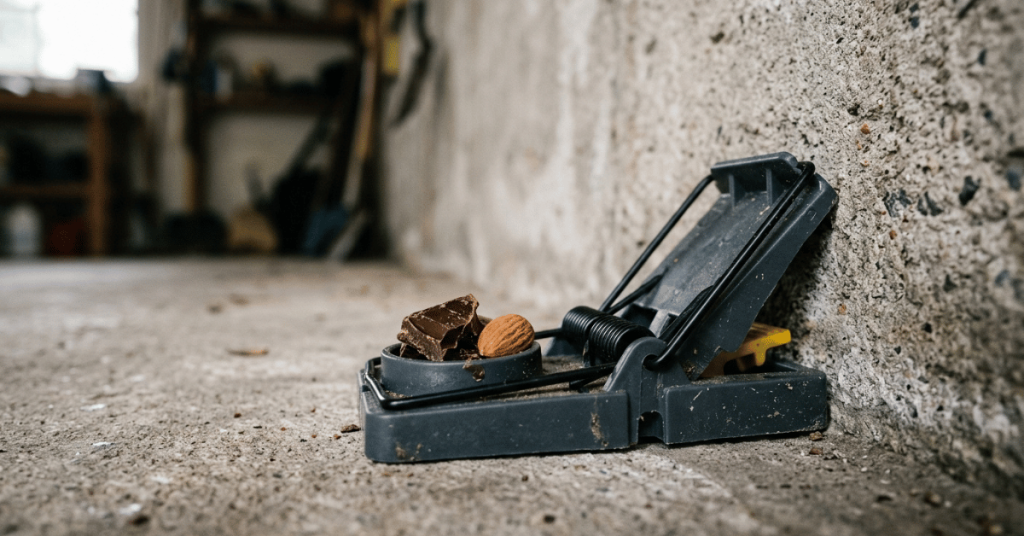
Securing your home against rodents is less about reacting to a problem and more about managing the physical environment of your property. Learning how to keep mouse away from house requires a shift in perspective, moving from temporary fixes to long-term structural integrity and sanitation habits. Mice are opportunistic foragers that seek warmth, shelter, and a steady food supply, and they are surprisingly adept at squeezing through gaps that seem far too small for their bodies. By understanding their behavior and systematically removing the incentives that draw them to your foundation, you can significantly reduce the likelihood of an infestation.
This guide focuses on the practical, actionable steps you can take to harden your home against intrusion. Rather than relying on short-term deterrents, we will explore how to identify entry points, manage exterior attractants, and maintain a barrier that discourages rodents from attempting to nest near your living space. Success in this endeavor is measured by your consistency in monitoring your home’s exterior and addressing vulnerabilities as soon as they appear, rather than waiting for signs of activity inside.

Before You Start: Understanding Rodent Behavior
Before you pick up a tool or start sealing gaps, it is essential to understand the biological reality of the house mouse. A mouse can squeeze through an opening the size of a dime, which is roughly a quarter-inch in diameter. If you can fit a pencil into a hole or gap, a mouse can likely get through it. This means that your inspection must be rigorous and detail-oriented. You are not just looking for large holes; you are looking for hairline cracks in mortar, gaps around utility pipes, and loose weather stripping.
You must also recognize that mice are creatures of habit. They prefer to travel along walls and edges, a behavior known as thigmotaxis, where they keep their whiskers in contact with a vertical surface for navigation. This is why you often see droppings along baseboards or behind appliances. Your goal is to disrupt these pathways and make the environment surrounding your home as unappealing as possible. If you have heavy vegetation, woodpiles, or debris stacked directly against your siding, you are essentially providing a highway for rodents to reach your home’s entry points.
Preparation involves gathering the right materials. You will need high-quality sealants that rodents cannot easily chew through, such as steel wool or copper mesh, combined with exterior-grade caulk or expanding foam. Do not rely on plastic or wood to block holes, as mice can gnaw through these materials in minutes. Finally, assess your exterior lighting and landscaping. Clearing a buffer zone around your foundation is one of the most effective, low-cost ways to deter activity. By creating a “no-man’s-land” of gravel or bare soil, you force rodents to cross open, exposed areas where they feel vulnerable to predators, which naturally discourages them from approaching your walls.
Tools and Prerequisites for Exclusion
To effectively secure your perimeter, you will need a specific set of tools designed for exclusion. First, acquire a heavy-duty flashlight with a high lumen count; you will need this to inspect dark corners, crawl spaces, and the underside of decks where shadows hide potential entry points. A mirror on an extension handle is also invaluable for checking behind pipes or under low-clearance structures where you cannot easily see.
For the actual sealing process, stock up on copper mesh or stainless steel wool. Unlike standard steel wool, these materials do not rust and will hold their shape over time. You will also need a caulking gun with exterior-grade silicone or polyurethane sealant. If you are dealing with larger gaps, such as those around dryer vents or plumbing penetrations, have a supply of hardware cloth (1/4-inch galvanized steel mesh) and a staple gun or screws to secure it. These materials are the industry standard for creating a physical barrier that is both durable and impenetrable to rodent teeth.
Before beginning, ensure you have proper safety gear. Wear thick work gloves to protect your hands from sharp edges of metal mesh and potential debris. A dust mask or respirator is recommended if you are cleaning out areas where rodent droppings have accumulated, as these can harbor hantavirus and other pathogens. Do not attempt to seal areas while wearing loose clothing that could snag on structural elements. Finally, consider the timing of your work. Ideally, perform these tasks during daylight hours when you can clearly see the condition of your foundation and siding, and when the weather is dry enough for sealants to cure properly.
Step-by-Step: Securing Your Home Perimeter
- Conduct a Perimeter Audit: Walk the entire exterior of your house. Look specifically at the transition point where the foundation meets the siding. Check for gaps around utility lines, electrical conduits, and dryer vents. Use your flashlight to inspect the undersides of porches and decks.
- Seal Utility Penetrations: Most homes have gaps where pipes or wires enter the structure. Stuff these gaps tightly with copper mesh. The mesh should be packed deep enough that it cannot be easily pulled out. Once the mesh is in place, cover it with a layer of exterior-grade caulk to provide a weather-tight seal.
- Reinforce Vents and Screens: Mice often enter through foundation vents or attic gable vents. Ensure all vents are covered with 1/4-inch galvanized hardware cloth. If existing screens are torn or loose, replace them entirely. Do not use plastic mesh, as it is easily chewed.
- Manage Exterior Vegetation: Trim back any tree branches that hang within three feet of your roofline. Mice are excellent climbers and will use overhanging branches to bypass ground-level defenses. Keep shrubs and bushes pruned at least 12 inches away from your exterior walls.
- Remove Food Attractants: Ensure all exterior trash cans are tightly lidded and made of metal or heavy-duty plastic. If you have bird feeders, move them at least 20 feet away from the house. Spilled birdseed is a primary attractant that draws mice to the immediate vicinity of your home.
- Maintain the Foundation Buffer: Clear away any woodpiles, leaf litter, or debris stacked against your house. Replace this material with a strip of crushed gravel or stone. This creates a clean, dry zone that is less hospitable for nesting and makes it easier for you to spot future signs of activity.
Advanced Strategies for Long-Term Rodent Prevention
Beyond the basic exclusion steps, you should consider the concept of integrated pest management (IPM). This approach emphasizes long-term prevention through a combination of techniques rather than relying on a single method. For instance, while sealing gaps is critical, it is only half the battle. You must also address the “attractant cycle.” If your home offers a consistent source of warmth, such as a poorly insulated crawl space, or a consistent source of water, such as a dripping outdoor spigot, you are fighting a losing battle against the natural instincts of rodents to seek out these resources.
Another advanced tactic involves the strategic use of lighting. While mice are nocturnal and prefer darkness, motion-activated floodlights can sometimes deter them from lingering near your foundation. However, this is a secondary measure and should never replace physical exclusion. Furthermore, consider the structural integrity of your garage. Many homeowners overlook the garage door seal. If there is a gap between the rubber gasket and the concrete floor, a mouse can easily slip underneath. Replacing worn-out garage door weather stripping is a high-impact, low-effort task that significantly improves your home’s overall pest-proofing status.
When dealing with older homes, you may encounter “weep holes” in brick veneer. These are intentional gaps left in the mortar to allow moisture to escape from behind the brick. While they serve a purpose, they are also perfect entry points for mice. You can purchase specialized weep hole covers made of stainless steel mesh that allow airflow while blocking rodent access. This is a classic example of balancing structural requirements with pest exclusion needs. Always prioritize materials that are weather-resistant to ensure that your modifications do not lead to water damage or mold growth behind your siding.
Common Mistakes in Rodent Prevention
One of the most frequent mistakes is assuming that a single, large hole is the only point of entry. In reality, mice often enter through dozens of tiny, overlooked gaps. If you seal one hole but leave a gap around a nearby pipe, you have not solved the problem. Another common error is using the wrong materials for sealing. Many homeowners use standard expanding spray foam by itself. While this fills the hole, mice can chew through cured foam with ease. Always use a metal barrier like copper mesh behind the foam or caulk to ensure the seal is permanent.
Neglecting the roofline is another significant oversight. Many people focus entirely on the foundation, forgetting that mice are agile climbers. If you have ivy or climbing vines on your siding, you are providing a ladder for rodents to reach your attic or upper-story vents. Removing these plants is often necessary to truly secure the building. Furthermore, failing to address moisture issues can undermine your efforts. Mice need water as much as they need food. Leaky outdoor faucets or standing water in gutters can attract them to your home even if you have eliminated all food sources.
Finally, do not underestimate the importance of maintenance. Exclusion is not a “one-and-done” task. Over time, caulk cracks, wood rots, and screens can be damaged by weather or other animals. Make it a habit to perform a perimeter check every spring and autumn. During these seasonal transitions, rodents are most active as they seek shelter from changing temperatures. If you ignore the exterior of your home for years, you are inviting problems that will eventually require much more intensive remediation.
Troubleshooting Persistent Activity
If you have sealed all visible entry points and still see signs of mice, you may be dealing with an internal population or an entry point you have not yet identified. First, check your attic and crawl spaces again. Sometimes, mice enter through the roof, specifically through gaps in the soffit or fascia boards that are difficult to see from the ground. Use a ladder to inspect these areas closely for gnaw marks or droppings.
If you find that your efforts are not yielding results, consider the possibility that the mice are already living inside the walls. In this case, you must focus on interior sanitation and exclusion. Seal gaps around interior plumbing, such as under kitchen and bathroom sinks, using the same copper mesh and caulk method. Ensure all pantry food is stored in airtight glass or metal containers. Mice can chew through cardboard and thin plastic packaging in seconds.
If you suspect the infestation is large, do not hesitate to consult with a professional. While you can handle the exclusion work yourself, a professional can help identify hidden entry points that are not obvious to the untrained eye. They can also help you determine if you are dealing with a recurring issue caused by a specific environmental factor on your property, such as a nearby field, a neighbor’s unmanaged compost pile, or a dense thicket of brush. Knowing when to stop and call for help is a sign of a responsible homeowner, not a failure of your prevention strategy.
FAQ
How small of a hole can a mouse fit through?
A mouse can squeeze through any opening that is at least 1/4 inch in diameter. This is roughly the size of a standard pencil. Because of this, when you are learning how to keep mouse away from house, you must be extremely thorough in your inspection, as even tiny gaps around utility pipes or vents can serve as entry points.
Why is my house still attracting mice after I sealed the holes?
If you have sealed all entry points but still see activity, you may have missed hidden gaps in the roofline, soffits, or under the siding. Alternatively, you may have internal attractants like food sources or water leaks. Ensure all pantry items are in airtight containers and check for moisture issues under sinks or in crawl spaces.
What materials are best for blocking mouse entry points?
The most effective materials are copper mesh or stainless steel wool combined with exterior-grade caulk or sealant. Mice can easily chew through wood, plastic, and standard expanding foam. Using a metal barrier ensures that they cannot gnaw their way back through the seal once it has been applied.
Do I need to remove all vegetation around my house?
You do not need to remove all vegetation, but you should maintain a buffer zone. Keep shrubs and bushes trimmed at least 12 inches away from your exterior walls, and ensure tree branches do not hang within three feet of your roofline. This removes the ‘bridge’ that mice use to climb onto your home.