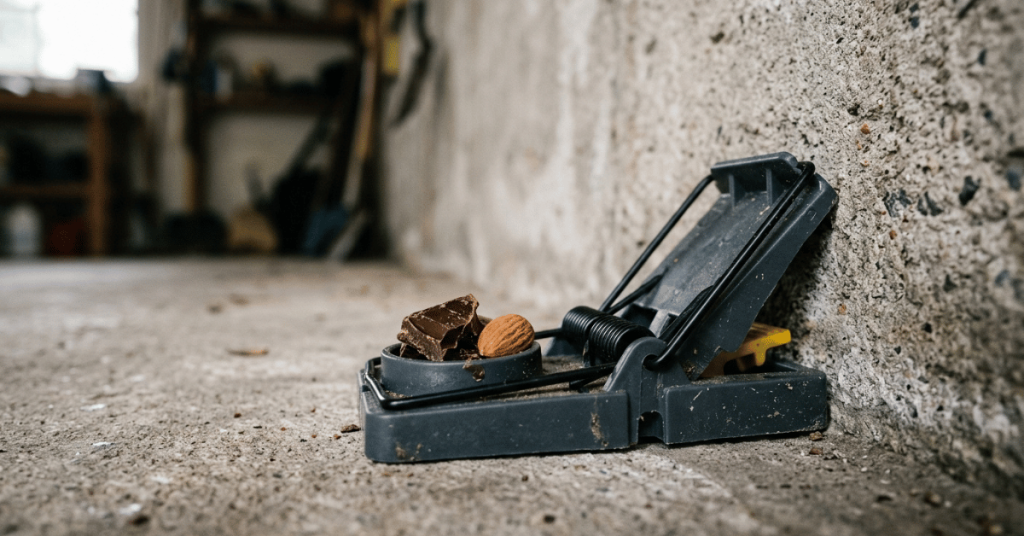
When you discover signs of a field mouse in your living space, the priority is to address the situation quickly and humanely. These small rodents are highly adaptable and can squeeze through openings as small as a dime, making them a common seasonal nuisance. Learning how to catch a field mouse effectively requires more than just placing a trap; it demands an understanding of their behavior, travel patterns, and environmental preferences.
By focusing on strategic placement and consistent monitoring, you can resolve the issue without unnecessary complexity. This guide provides a structured approach to identifying activity, selecting appropriate tools, and executing a removal plan that prioritizes safety and efficiency. Whether you are dealing with a single intruder or a larger issue, the following steps will help you regain control of your home environment.
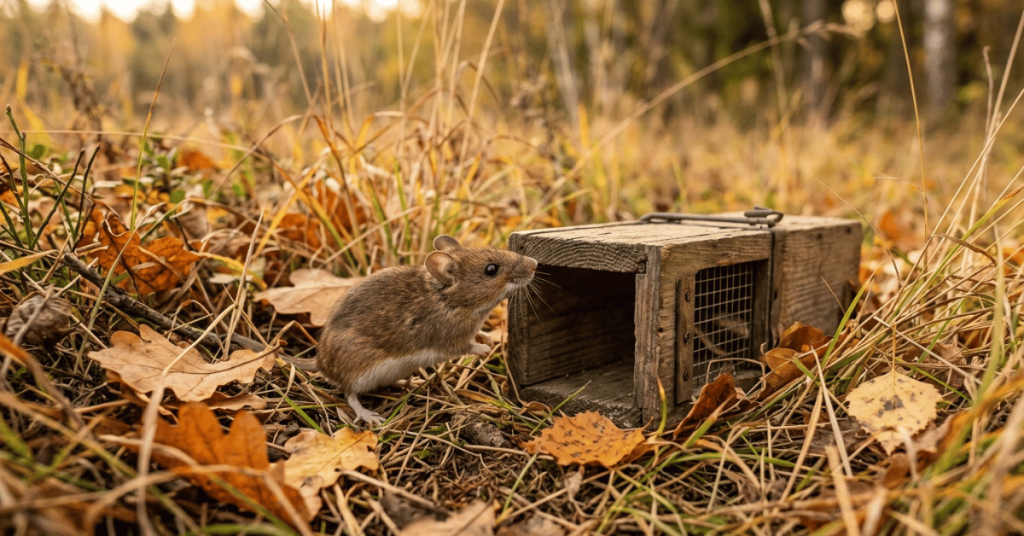
Before You Start: Preparation and Safety
Before you purchase any equipment, you must assess the scope of the situation. Field mice are nocturnal and shy, so you likely will not see them during the day. Instead, look for evidence such as small, dark droppings, gnaw marks on food packaging, or scratching sounds inside walls or cabinets. Identifying these hotspots is the most important step in the process.
Safety is paramount when handling rodent control. Always wear disposable gloves when cleaning up droppings or handling traps to avoid contact with potential pathogens. If you have pets or small children, your choice of equipment is restricted to enclosed or tamper-resistant stations to prevent accidental injury. Do not attempt to use poisons or chemical baits inside a home, as these can lead to mice dying in inaccessible areas, creating sanitation and odor issues.
Finally, gather your supplies. You will need a flashlight, a supply of traps, and a high-quality bait. Peanut butter, soft cheese, or even a small piece of dried fruit often work better than traditional grain-based baits. Keep in mind that mice are creatures of habit; they prefer to move along walls and baseboards rather than across open floors. Understanding this behavior allows you to place your traps where they are most likely to be encountered, significantly increasing your success rate.
Also Check: How to Catch a Mouse Without Hurting It?
Tools and Prerequisites
To successfully catch a field mouse, you need the right gear. Snap traps remain the industry standard for efficiency, but modern live-catch traps are a viable alternative if you prefer a non-lethal approach. Regardless of the type, ensure the mechanism is clean and free of any human scent, which can deter mice from approaching.
You will also need sealing materials. Steel wool and caulk are essential for the final phase of the project: exclusion. Catching the mice is only half the battle; if you do not seal the entry points, new mice will simply replace the ones you removed. A flashlight with a high-lumen output is also vital for inspecting dark corners, behind appliances, and under sinks where mice typically hide. If you find that the infestation is widespread, involving scratching in multiple rooms or sightings during the day, it is often a sign that you should contact a professional pest control service rather than attempting to handle it alone.
Understanding Rodent Behavior for Better Results
To master how to catch a field mouse, you must think like one. Field mice possess a trait called thigmotaxis, which means they prefer to keep their bodies in contact with vertical surfaces as they move. This is why you rarely see them scurrying across the middle of a room. They feel vulnerable in open spaces, so they stick to the perimeter, using baseboards, furniture edges, and the undersides of cabinets as protective corridors. When you set traps, you are essentially intercepting these established highways.
Furthermore, field mice are neophobic, meaning they are suspicious of new objects introduced into their environment. This is why a trap placed in a high-traffic area might be ignored for several days. The mouse is observing the change and waiting to see if it poses a threat. This behavioral quirk is the reason why pre-baiting—placing bait on a trap without setting the trigger—is so effective. It allows the mouse to associate the device with a food source, lowering its guard before you actually set the trap.
Step-by-Step Instructions
- Locate Activity Zones: Use your flashlight to inspect dark, undisturbed areas. Focus on the back of pantry shelves, under kitchen sinks, and behind large appliances. Look for droppings, which are the most reliable indicator of where the mice are traveling.
- Prepare the Traps: If using snap traps, ensure the trigger mechanism is sensitive. Apply a small amount of bait—about the size of a pea—directly onto the trigger. Do not overload the trap, as a smart mouse will learn to lick the bait off without triggering the mechanism.
- Strategic Placement: Place the traps perpendicular to the wall, with the baited end facing the baseboard. Mice run along the edges of rooms, so they will naturally encounter the trap as they scurry past. Place traps in pairs, spaced about two to three feet apart, to increase the likelihood of a catch.
- Monitor Regularly: Check your traps every 24 hours. If a trap has not been triggered after three days, move it to a new location. Mice are curious but cautious; if they haven’t visited a spot after several days, they likely aren’t using that path.
- Remove and Sanitize: Once a trap is successful, dispose of the mouse promptly while wearing gloves. Clean the area with a disinfectant spray to remove pheromone trails that might attract other mice to the same spot.
- Seal Entry Points: Once you are confident the activity has ceased, use steel wool to plug holes around pipes and utility lines. Follow up with caulk or expanding foam to secure the barrier. Mice cannot chew through steel wool, making it an effective deterrent.
Advanced Exclusion Techniques
Exclusion is the cornerstone of long-term pest prevention. Many homeowners focus entirely on trapping, but if you do not address the structural integrity of your home, you are merely managing a revolving door of rodents. Mice can compress their skeletons to fit through holes as small as 1/4 inch in diameter. This means that if you can fit a pencil into a gap, a mouse can likely get through it.
Start by inspecting the exterior of your home. Look for gaps where utility lines enter the building, such as HVAC pipes, electrical conduits, and plumbing. These are common entry points because the gaps are often poorly sealed during construction. Use heavy-duty materials like copper mesh or steel wool combined with exterior-grade caulk. Unlike foam alone, which mice can easily chew through, the metal fibers act as a physical barrier that discourages gnawing. Pay special attention to the foundation, the roofline, and the areas where siding meets the ground, as these are the most common points of ingress for field mice.
Common Mistakes to Avoid
One of the most frequent errors is placing traps in the middle of a room. Mice are naturally wary of open spaces and will almost always stick to the perimeter where they feel protected by shadows and walls. Placing a trap in the center of a floor is essentially useless.
Another common mistake is using too few traps. A single mouse is rarely alone, and a small family can quickly grow. Using only one or two traps often results in a slow, frustrating process. We recommend setting at least six to ten traps if you suspect a moderate infestation. Additionally, many people fail to bait the traps correctly. Using too much bait allows the mouse to feed without triggering the trap, while using the wrong type of bait—such as hard crackers—can be easily ignored by the mouse. Stick to sticky, aromatic foods like peanut butter.
Furthermore, avoid the temptation to touch the traps with your bare hands. While the idea that mice can smell human scent is sometimes debated, it is a best practice to handle traps with gloves. This not only keeps the trap free of potential deterrents but also protects you from the pathogens that may be present on the trap if it has already been used.
Troubleshooting Your Efforts
If you find that your bait is missing but the trap hasn’t triggered, your trap sensitivity is likely too low, or you are using too much bait. Clean the trap and try a smaller amount of peanut butter, pressing it firmly into the trigger plate. If the mice seem to be avoiding the traps entirely, try a ‘pre-baiting’ technique: place unset traps with bait for two nights to let the mice get comfortable with the new objects in their environment before setting the triggers on the third night.
If you continue to hear noises in the walls after several days of successful trapping, you may have an entry point in the attic or crawlspace that you haven’t identified. In these cases, you must expand your search to the exterior of the home, looking for gaps around vents, foundation cracks, or roofline intersections. If the problem persists despite these efforts, it is time to call a professional. Persistent infestations often indicate a structural issue that requires specialized equipment or exclusion methods beyond a homeowner’s typical toolkit.
Maintaining a Mouse-Free Environment
Once you have successfully removed the mice and sealed the entry points, your focus should shift to home maintenance. Mice are attracted to homes not just for shelter, but for food and water. Ensure that all pantry items are stored in airtight glass or heavy-duty plastic containers. Cardboard boxes are no match for a mouse’s incisors, and they will chew through them to reach grains, cereals, and pet food.
Keep your kitchen clean by wiping down counters every night to remove crumbs. If you have pets, do not leave food bowls out overnight, as this is a primary attractant for field mice. Regularly inspect your storage areas, such as garages and basements, for clutter. Mice love to nest in piles of paper, fabric, or cardboard, which provide both warmth and nesting material. By reducing the number of potential nesting sites, you make your home significantly less appealing to rodents in the future.
Conclusion
Learning how to catch a field mouse is a matter of patience and strategic placement. By focusing on the perimeter of your rooms, using the right bait, and ensuring you seal your home against future entry, you can effectively manage the situation. Remember that the goal is to remove the current intruders and prevent new ones from arriving. Stay consistent with your monitoring and don’t hesitate to seek professional help if the issue proves larger than expected.
FAQ
How do I know if I have a field mouse or a larger rodent?
Field mice droppings are typically small, about 1/8 to 1/4 inch long, and pointed at the ends. Larger rodents like rats leave significantly larger, blunt-ended droppings. If you see droppings larger than a grain of rice, you may be dealing with a rat, which requires different trapping strategies.
Is it safe to use live-catch traps?
Live-catch traps are a humane way to catch a field mouse, but they require frequent monitoring. If a mouse is left in a trap for too long, it can suffer from dehydration or stress. If you choose this method, you must check the traps at least twice daily and release the mouse at least a mile away from your home.
What is the best bait to use for a field mouse?
Peanut butter is widely considered the most effective bait because of its strong scent and sticky texture, which forces the mouse to work at the trigger to get it. Other effective options include soft cheese, chocolate, or a small piece of bacon, all of which are highly attractive to field mice.
How long does it usually take to catch a field mouse?
If you have correctly identified the travel paths and placed your traps strategically, you can often catch a field mouse within 24 to 48 hours. If you haven’t caught anything after three days, it is a clear sign that you need to relocate your traps to a more active area.