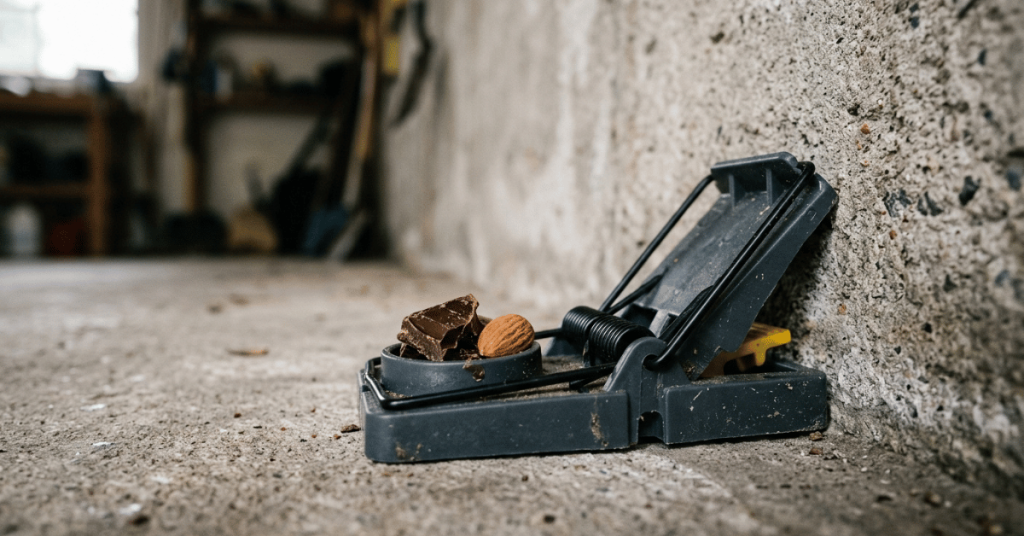
Finding a mouse in your living space often triggers an immediate urge to resolve the situation, but many people prefer to handle the matter without causing harm to the animal. Learning how to catch a mouse without hurting it is entirely achievable through the use of live-capture traps and careful preparation. By focusing on non-lethal methods, you can address the presence of a rodent while maintaining your personal ethical standards and ensuring the safety of your household pets or children.
The process requires patience, the right equipment, and a clear plan for relocation. Because mice are naturally cautious and nocturnal, success depends largely on understanding their behavior and placing traps in areas where they feel secure. This guide outlines the most effective strategies for humane capture, helping you resolve the issue efficiently while keeping the animal alive and unharmed throughout the entire experience.
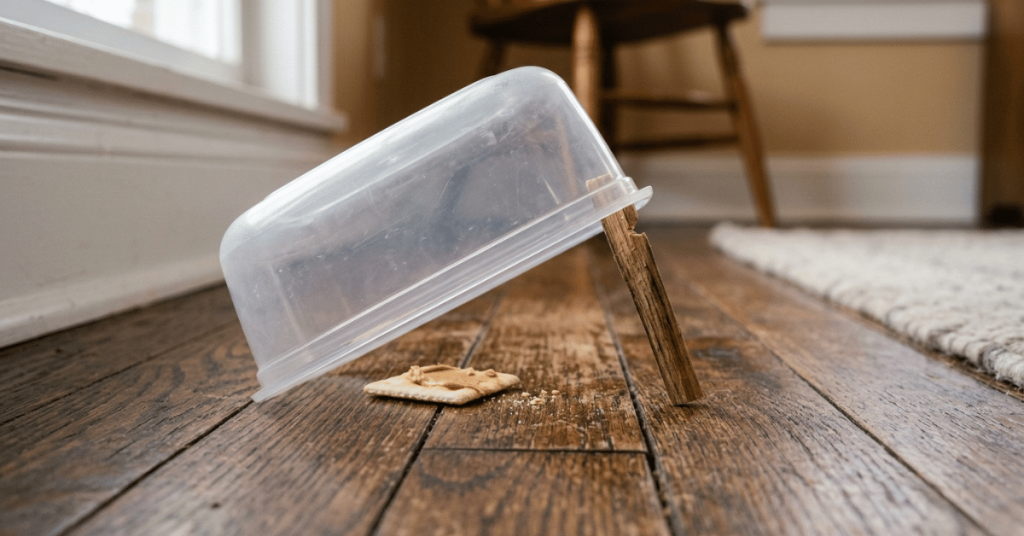
Before You Start: Preparation and Safety
Before you begin the process of trapping, it is essential to assess your environment. Mice are highly sensitive to changes in their surroundings, so your success relies on being unobtrusive. Start by identifying the paths they travel. Look for droppings, gnaw marks on baseboards, or small grease smudges along walls, which indicate frequently used runways. Mice rarely venture far from these established routes, so placing a trap in the middle of a room is almost always ineffective.
Hygiene is a critical consideration. Even when you intend to catch a mouse without hurting it, you must handle the equipment and the surrounding area with care. Always wear disposable gloves when setting traps or cleaning up droppings to avoid direct contact with potential pathogens. If you have pets, ensure they are kept away from the area where you intend to place the traps. While live traps are generally safe, a curious cat or dog could accidentally trigger or damage the mechanism, causing stress to the mouse.
Finally, decide on your release location before you even set the trap. Mice are territorial and have a strong homing instinct. If you release a mouse too close to your home—typically within a mile—it will likely find its way back inside. Choose a location with adequate cover, such as a wooded area or a brush pile, at least two miles away from your property. Having this plan in place ensures that once you succeed, you can complete the relocation quickly, minimizing the time the mouse spends in confinement.
Also Check: How to Catch a Mouse with a Bucket?
Understanding Rodent Behavior for Better Results
To master how to catch a mouse without hurting it, you must think like the animal. Mus musculus, or the common house mouse, is an incredibly adaptive creature. They possess a high degree of neophobia, which is a fear of new objects in their environment. When you place a new, shiny metal or plastic trap in their path, they may avoid it for several days. This is why patience is your greatest asset. You can sometimes increase your success rate by leaving the traps in place but unset for a few days, allowing the mice to become accustomed to their presence before you actually arm the trigger.
Furthermore, mice are crepuscular and nocturnal, meaning their activity peaks during the twilight hours and throughout the night. During the day, they remain in their nesting sites, which are usually dark, secluded, and warm. By understanding that they are most active when the house is quiet, you can better time your monitoring schedule. If you notice activity in your kitchen or pantry, that is where your focus should remain. Avoid moving traps frequently; if you haven’t caught anything after three days, only then should you consider a slight adjustment in location.
Selecting the Right Equipment
To catch a mouse humanely, you need a trap specifically designed for live capture. Avoid any device that uses glue or spring-loaded bars, as these are inherently lethal or cause significant injury. Instead, look for box-style traps or multi-catch tunnels that use a simple door mechanism. These devices allow the mouse to enter for bait but prevent it from exiting, keeping the animal contained in a secure, ventilated space.
When selecting your trap, consider the material. Clear plastic traps allow you to see if a capture has occurred without disturbing the device, which is helpful for monitoring. However, some mice prefer the opaque, tunnel-like feel of metal or solid plastic boxes because they mimic the dark, enclosed spaces they naturally seek out. If you are dealing with a particularly wary mouse, a solid-walled trap may yield better results than a transparent one.
Bait selection is the next piece of the puzzle. Contrary to popular belief, cheese is rarely the best option. Mice are opportunistic foragers that prefer high-energy, calorie-dense foods. Peanut butter is an excellent choice because it is sticky, forcing the mouse to linger in the trap while it tries to remove the food, which increases the likelihood of the door triggering. Other effective options include sunflower seeds, oats, or small pieces of dried fruit. Use only a small amount of bait to ensure the mouse has to work for it, which helps trigger the trap mechanism correctly.
Step-by-Step Instructions for Humane Capture
Follow these steps to maximize your chances of success while ensuring the mouse remains safe.
- Placement Strategy: Position your live trap along a wall or behind furniture where you have observed signs of activity. The entrance of the trap should be flush against the wall, as mice prefer to run along vertical surfaces for protection.
- Baiting the Trap: Apply a pea-sized amount of peanut butter to the back of the trap. Ensure the bait is placed deep enough that the mouse must fully enter the enclosure to reach it, which ensures the door closes completely behind them.
- Setting the Mechanism: Follow the manufacturer’s instructions to set the trigger. Test the sensitivity if the trap allows; you want it to be sensitive enough to close with the weight of a small mouse but stable enough not to trigger from a slight vibration.
- Monitoring: Check the traps at least twice a day, ideally once in the morning and once in the evening. A mouse should not remain in a trap for more than 12 hours, as they have high metabolic rates and require frequent access to food and water.
- Relocation: Once you find a mouse in the trap, carefully carry it to your pre-selected release site. Open the door of the trap and step back, allowing the mouse to exit on its own. Avoid handling the animal directly to prevent stress or accidental bites.
The Importance of Integrated Pest Management
Catching a mouse is only one part of the equation. If you do not address why the mouse entered in the first place, you will likely face a recurring issue. This is where the concept of integrated pest management (IPM) becomes vital. IPM focuses on long-term prevention through exclusion and sanitation. Once you have successfully relocated the mouse, your next step should be a thorough inspection of your home’s exterior.
Look for gaps around utility pipes, vents, and foundation cracks. Mice can squeeze through openings as small as a dime. Using steel wool or hardware cloth to seal these gaps is an effective, non-toxic way to prevent future entry. Additionally, ensure that all food sources are secured. Store dry goods like grains, cereals, and pet food in airtight glass or metal containers. By removing the incentive for mice to enter, you create a home that is naturally less attractive to rodents, which is the most humane and effective form of pest control available.
Common Mistakes to Avoid
One of the most frequent errors is failing to check traps frequently enough. Leaving a mouse in a small container for an extended period causes extreme stress, dehydration, and potential overheating. If you cannot commit to checking the traps daily, it is better to delay the process until you have the time. Another common mistake is poor placement. If a trap sits in an open area, a mouse will likely ignore it, as they feel exposed and vulnerable away from walls or cover.
Over-baiting is also counterproductive. If you place too much food, the mouse may be able to eat its fill without triggering the mechanism. Keep portions small to ensure the mouse must engage with the trap’s trigger. Additionally, many people forget to clean the area around the trap. If you leave behind human scent or the scent of previous captures, a wary mouse may avoid the area entirely. Using gloves helps minimize your scent, and wiping down the area with a mild, unscented soap can help reset the environment.
Troubleshooting Your Trapping Efforts
If you find that the bait is gone but the trap is still open, the mechanism may be too stiff or the bait was placed too close to the entrance. Try adjusting the sensitivity or moving the bait further back. If the trap is closed but empty, it is possible the mouse was small enough to escape through a gap or that the door did not latch securely. Inspect your equipment for any manufacturing defects or debris that might be preventing the door from closing fully.
If you have been trying for several days with no success, consider that mice may have multiple food sources in your home. Ensure that all pantry items are stored in airtight containers and that crumbs are cleaned up daily. By removing competing food sources, you make the bait in your trap significantly more attractive. If you continue to see signs of activity but cannot catch the mouse, it may be time to consult a professional who specializes in humane exclusion techniques, as they can help identify entry points you may have missed.
Ethical Considerations in Wildlife Relocation
When you decide to catch a mouse without hurting it, you are making an ethical choice to prioritize the life of the animal. However, it is important to understand the reality of wildlife relocation. A mouse that has lived its entire life in your home is adapted to that specific environment. When you release it into a new area, it must immediately find shelter, water, and food while avoiding local predators. This is why choosing a release site with adequate natural cover—such as dense brush, tall grass, or rock piles—is so important. These features provide the mouse with a better chance of survival by offering immediate protection from hawks, owls, and other predators.
Furthermore, be mindful of local regulations and seasonal conditions. Releasing a mouse in the middle of a harsh winter or during a period of extreme drought significantly lowers its chances of survival. If you are in a climate with severe winters, consider the timing of your trapping efforts. If you must trap during colder months, try to release the mouse in an area that has existing structures or dense vegetation that can provide insulation. While we cannot control the outcome once the mouse is released, taking these small steps reflects a commitment to the welfare of the animal throughout the entire process.
FAQ
How often should I check the traps when learning how to catch a mouse without hurting it?
You should check your live traps at least twice every 24 hours. Mice have very high metabolic rates and can quickly become dehydrated or stressed if left confined for too long. Checking in the morning and evening ensures that if a mouse is caught, it spends minimal time in the trap before being released.
What is the best bait to use for a humane mouse trap?
Peanut butter is widely considered the most effective bait because its sticky texture forces the mouse to spend more time trying to remove it, which increases the chances of the trap triggering. Other good options include sunflower seeds, rolled oats, or small pieces of dried fruit, which are high in calories and attractive to rodents.
How far away should I release the mouse?
To prevent the mouse from returning to your home, you should release it at least two miles away. Mice have strong homing instincts and are excellent at navigating their environment; releasing them too close to your property often results in them finding their way back inside within a short period.
Can I touch the mouse once it is in the trap?
It is strongly recommended that you avoid touching the mouse. Handling the animal causes significant stress to the rodent and poses a risk of bites or scratches to you. Always use the trap’s release mechanism to let the mouse exit on its own in a safe, outdoor environment.
What should I do if the mouse keeps stealing the bait?
If the bait is disappearing without the trap closing, the trigger mechanism may be set too firmly, or the bait is placed too close to the entrance. Try moving the bait further back into the trap so the mouse must fully enter to reach it, and check that no debris is obstructing the door’s movement.