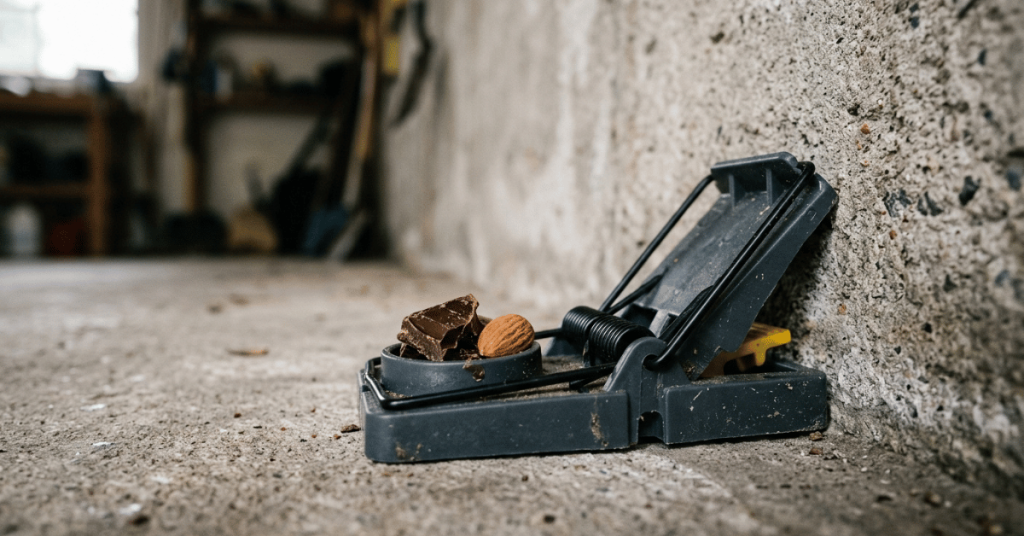
Discovering evidence of a rodent in your personal space is understandably unsettling, but taking immediate, methodical action can effectively secure your environment. Learning how to keep a mouse away from your room is less about reactive measures and more about creating a physical and environmental barrier that makes your space unattractive and inaccessible to pests. By focusing on exclusion, sanitation, and habitat modification, you can regain control of your living area and prevent future incursions without relying on complex chemical interventions.
This process requires a combination of keen observation and consistent maintenance. Mice are opportunistic creatures that seek warmth, shelter, and easy access to food. If your room provides any of these, they will continue to return. The following guide outlines the most reliable methods to fortify your room, identify potential entry points, and maintain a space that remains uninviting to rodents. By following these steps, you create a defensive perimeter that forces mice to look elsewhere for their needs.

Before You Start: Assessing Your Environment
Before you begin any physical work, you must conduct a thorough inspection of your room. The effectiveness of your efforts depends entirely on your ability to identify the specific vulnerabilities that allow mice to enter. Mice can squeeze through openings as small as a dime, meaning even tiny gaps around pipes, baseboards, or door frames can serve as major entry points. Start by clearing clutter away from walls; rodents prefer to travel along protected edges, and piles of items provide both cover and nesting material.
Check for signs of activity such as droppings, gnaw marks on wood or baseboards, and smudge marks along walls where oils from their fur leave a trail. If you find significant evidence of an active infestation, such as multiple droppings or persistent scratching sounds at night, you should consider whether the problem is localized to your room or indicative of a larger structural issue within the building. In cases of severe infestations, professional pest control services are the safer and more reliable choice, as they can address the source of the entry rather than just the symptoms in one room.
Gather your supplies before you start. You will need a high-quality silicone-based caulk, steel wool (which is vital because mice cannot chew through it), a caulking gun, and potentially some hardware cloth for larger gaps. Avoid using expandable foam as a primary barrier, as mice can easily chew through it once it cures. Having these materials ready ensures you can seal gaps immediately upon discovery, preventing the rodent from finding a way back in while you are still working.
Also Check: How to Keep a Mouse Away From Your Bed?
Tools and Prerequisites for Rodent Exclusion
To successfully implement these strategies, you need the right tools to create a permanent barrier. The most important prerequisite is a commitment to cleanliness. Mice are primarily driven by the search for food; if you keep food out of your room entirely, you remove the primary incentive for them to enter. This means no snacks, no crumbs, and no open containers of any kind. Even pet food or birdseed stored in a closet can attract them to your living area.
Ensure you have a reliable light source, such as a high-lumen flashlight, to inspect dark corners and the undersides of furniture. You will also need a sturdy vacuum cleaner with a HEPA filter to remove any potential allergens or pheromone trails left by mice. Removing these scents is critical because mice use scent trails to navigate and return to areas where they have previously found safety or food. A clean room is not just about aesthetics; it is a fundamental part of your defense strategy.
How to Keep a Mouse Away from Your Room: Step-by-Step
1. Seal All Structural Gaps: Use your flashlight to inspect the perimeter of your room where the floor meets the wall. Use steel wool to plug any gaps, then cover the steel wool with silicone caulk to hold it in place. Pay special attention to areas where pipes enter the wall, such as under radiators or sinks, as these are common highways for rodents.
2. Install Door Sweeps: A significant portion of home entries occur through the gap beneath the door. Install a heavy-duty rubber or metal door sweep to eliminate this space. If you can see light coming through the bottom of your door, a mouse can likely fit through that opening.
3. Eliminate Food Sources: Remove all food from your room. If you must keep items like toiletries or medications that might have a scent, store them in hard plastic or metal containers with airtight lids. Never leave dirty dishes or trash in your room overnight.
4. Clear Clutter: Mice feel safest when they have cover. By keeping your floor clear and minimizing the number of boxes or bags stored against walls, you remove the ‘runways’ they use to move around your room undetected. Elevate stored items off the floor whenever possible.
5. Monitor and Maintain: Even after sealing gaps, continue to monitor for new droppings or sounds. If you hear scratching, re-inspect your seals. Sometimes, if you block one path, a mouse will simply attempt to chew a new one nearby. Persistent monitoring is the only way to ensure your exclusion efforts remain effective.
Advanced Strategies for Rodent-Proofing
Beyond the basics, you must consider the structural integrity of your room. Mice are adept climbers and can navigate wall voids or crawl through attic spaces to reach your ceiling. If you live in an older building, check for gaps around electrical outlets and light fixtures. While you should not open these fixtures yourself, you can observe if there is significant air movement or debris falling from them, which suggests a connection to the wall cavity. If you suspect activity here, consult a professional to discuss safe, non-invasive sealing options.
Another often overlooked area is the closet. Closets are frequently filled with fabrics, boxes, and seasonal clothing, which provide excellent nesting material. To prevent mice from settling in, organize your closet using plastic bins with locking lids rather than cardboard boxes, which mice can easily chew through. Keep the floor of your closet clear to ensure you can spot any signs of activity quickly. By reducing the number of potential nesting sites, you make the room significantly less appealing for a mouse looking to establish a home.
The Role of Sanitation in Long-Term Prevention
Sanitation habits are the cornerstone of long-term mouse prevention. It is not enough to clean once; you must maintain a consistent routine. Mice are highly sensitive to the scent of food, even in minute quantities. Crumbs left on a nightstand or residue from a spilled drink can act as a beacon. Regularly vacuuming your room, including under the bed and behind heavy furniture, helps remove not just food particles but also the pheromone trails that mice use to navigate. When you remove these scents, you effectively erase the “map” that previous mice used to find your room.
Furthermore, consider the items you store in your room. If you keep hobby supplies, paper goods, or extra linens, ensure they are stored in sealed containers. Mice are notorious for shredding paper and fabric to build nests. By limiting the availability of these materials, you force the rodents to look elsewhere for nesting supplies. This, combined with physical exclusion, creates a multi-layered defense that is far more effective than any single tactic.
Common Mistakes to Avoid
A common mistake is relying on ultrasonic devices or essential oils to deter mice. There is no scientific evidence that these methods effectively keep a mouse away from your room. They often provide a false sense of security while the rodents continue to nest in walls or floor voids. Focus your energy on physical exclusion instead of gimmicky deterrents.
Another frequent error is failing to seal gaps behind heavy furniture. People often seal the obvious spots but ignore the area behind a dresser or bed. If a mouse can get behind a piece of furniture, it has a safe, dark place to nest. Always move furniture during your inspection to ensure you are not leaving a hidden, accessible area for them to inhabit.
Troubleshooting Persistent Issues
If you have sealed all visible gaps and removed food sources but still hear mice, the entry point is likely somewhere you cannot see, such as through the ceiling or inside the wall cavities themselves. In such cases, the issue is structural and likely requires professional intervention. Do not attempt to tear down walls or ceiling panels yourself, as this can lead to safety hazards or structural damage. If you have done your part and the problem persists, it is time to contact a professional to identify the entry points in the building’s exterior or attic spaces.
When dealing with persistent issues, keep a log of when and where you hear noises. This data can be invaluable to a pest control professional. Note the time of day, the specific wall or corner, and any other observations. This helps the professional narrow down the location of the nest or the primary entry point, saving time and potentially reducing the need for invasive inspections. Remember, your goal is to make the room a “no-go” zone for rodents, and sometimes that requires a collaborative effort between your diligent maintenance and professional expertise.
FAQ
What is the most effective way to keep a mouse away from your room?
The most effective method is physical exclusion. You must identify and seal all gaps larger than a dime using steel wool and silicone caulk. Combined with the total removal of food sources and the elimination of clutter, this creates a environment that is physically inaccessible and unattractive to rodents.
Can I use essential oils to keep mice out?
No, essential oils like peppermint oil are not a reliable way to keep a mouse away from your room. While they may have a strong scent, they do not provide a physical barrier, and mice will quickly ignore them if they are motivated by food or shelter. Focus on sealing gaps instead.
Why do mice keep coming back to my room even after I clean?
Mice leave behind pheromone trails that help them navigate. If you haven’t thoroughly cleaned the area with a vacuum and potentially a disinfectant to remove these scents, they may continue to follow these invisible paths. Additionally, if you haven’t sealed the actual entry points, they will simply return through the same gaps.
When should I call a professional for mice?
You should seek professional help if you have already sealed all visible entry points and removed food sources but still see signs of activity. This often indicates that the mice are entering from inaccessible areas like wall voids or the building’s exterior, which requires specialized knowledge and equipment to resolve safely.