Protecting your vegetable patch or flower beds from rodents requires a shift from reactive measures to proactive environmental management. When you learn how to keep mouse away from garden spaces, you are essentially making your property less hospitable to these opportunistic foragers. Mice are primarily driven by the availability of food, water, and secure nesting sites; by systematically removing these three pillars, you can significantly reduce their presence without resorting to harsh chemicals or dangerous traps that might harm beneficial wildlife.
The goal is to create a landscape that discourages burrowing and limits easy access to your crops. This process involves a combination of physical barriers, habitat modification, and consistent maintenance. Rather than focusing on a single miracle solution, successful management relies on layering different strategies to create a deterrent effect that encourages mice to seek easier foraging grounds elsewhere. By understanding their behavior, you can reclaim your garden and ensure your hard work results in a harvest for you, not the local rodent population.
Before You Start: Understanding the Environment
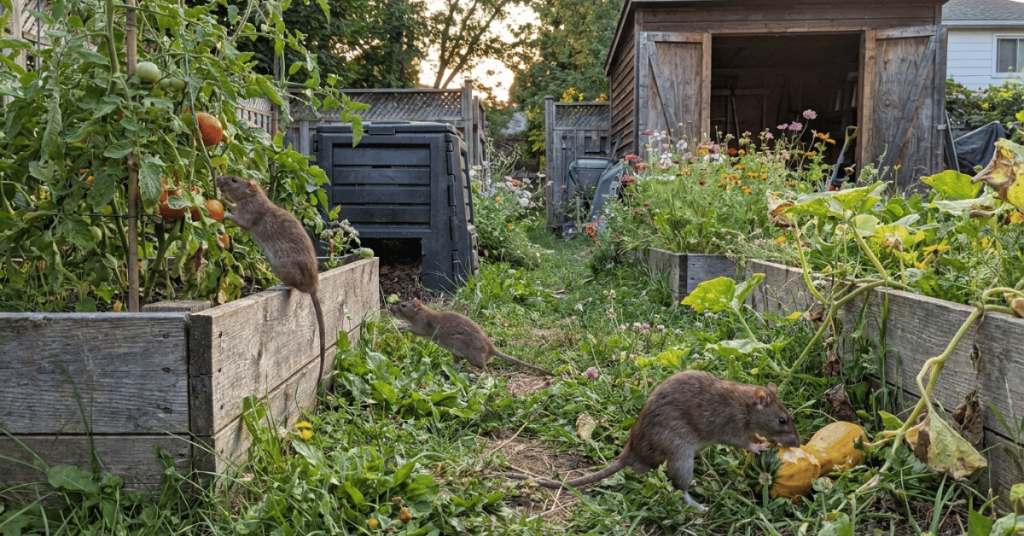
Before you begin implementing deterrents, take a moment to assess the specific conditions of your garden. Mice are highly adaptable creatures that thrive in cluttered environments. If your garden has overgrown weeds, piles of wood, or dense brush, you are providing the perfect cover for them to move safely from the perimeter to your plants. A clean garden is the first and most effective defense.
Check your garden for potential food sources that might be drawing them in. This includes fallen fruit, spilled birdseed, or even pet food left outside. Mice have an incredible sense of smell and can detect these resources from quite a distance. Additionally, consider the proximity of your compost bin to your planting beds. If the compost is not properly managed or is located directly next to your vegetables, it serves as a massive attractant. Moving your compost pile further away or ensuring it is enclosed in a hardware-cloth-lined container can make a significant difference.
Evaluate your irrigation setup as well. Mice, like all animals, require water. If you have leaky hoses or areas of standing water, you are providing a hydration station that encourages them to settle in. Addressing these basic environmental factors is a prerequisite for any other control method. If you skip this step, no amount of fencing or repellent will be fully effective, as the underlying draw remains too strong for the pests to ignore.
Tools and Prerequisites for Garden Protection
To effectively secure your space, you will need a few standard materials. Hardware cloth—a sturdy, galvanized steel wire mesh—is the gold standard for physical exclusion. Unlike chicken wire, which mice can easily squeeze through or chew, hardware cloth provides a rigid barrier that is difficult for them to compromise. You will also need heavy-duty snips for cutting the wire, gardening gloves for protection, and potentially some landscape staples to secure the mesh into the soil.
Beyond physical barriers, consider the role of natural repellents. While many commercial products exist, simple materials like peppermint oil or castor oil-based sprays can be used as a deterrent in specific zones. Keep in mind that these are temporary and require frequent reapplication, especially after rain. You should also have a rake and pruning shears on hand to maintain a clean perimeter, as the removal of tall grass and debris is essential for reducing the hiding spots that mice use to approach your garden undetected.
Step-by-Step Instructions for Rodent Exclusion
1. Clear the Perimeter: Start by removing all debris, tall weeds, and woodpiles within at least three feet of your garden beds. Mice are timid and prefer to move under the cover of darkness and vegetation. By creating a “dead zone” of short, well-manicured grass or bare soil around your garden, you force them to expose themselves to predators, which they will naturally avoid.
2. Install Hardware Cloth Barriers: For raised beds, attach hardware cloth to the bottom of the frame before filling it with soil. If you have existing beds, you can bury the mesh vertically around the perimeter to a depth of at least 8 to 12 inches. This prevents burrowing rodents from tunneling underneath your plants to reach roots or tubers.
3. Secure Compost and Waste: Ensure your compost bin is elevated or lined with hardware cloth. Never add meat, dairy, or oily foods to your compost, as these are high-value targets for mice. A well-turned, properly balanced compost pile is less likely to attract pests than one filled with kitchen scraps.
4. Utilize Natural Repellents: Apply scent-based deterrents around the perimeter of your garden. Peppermint oil soaked on cotton balls placed in small, protected containers can act as a mild deterrent. Remember that these lose potency quickly and must be refreshed regularly to remain effective.
5. Encourage Natural Predators: If your local ordinances allow, consider providing habitat for natural predators like owls or hawks. Installing a raptor perch near a large garden can encourage these birds to hunt in your area. Avoid using rodenticides, as these poisons often kill the very predators that would otherwise keep the mouse population in check.
Also Check: How to Keep Mouse Away From House?
Advanced Strategies for Integrated Pest Management
Moving beyond basic exclusion, successful long-term rodent control requires an integrated approach. This means viewing your garden as a dynamic ecosystem. If you have a recurring mouse problem, consider the “edge effect.” Mice thrive at the intersection of two different habitats, such as where a lawn meets a forest or a garden meets a shed. By softening these transitions or removing the cover at these junctions, you reduce the likelihood of mice establishing a home base near your crops.
Another advanced technique involves companion planting with aromatic herbs. While not a standalone solution, planting strong-smelling species like garlic, onions, or mint around the perimeter of your vegetable beds can create a subtle olfactory barrier. Mice rely heavily on their sense of smell to navigate and locate food; by masking the scent of your desirable vegetables with pungent herbs, you may encourage them to forage elsewhere. This is particularly useful for protecting root vegetables, which are often the primary targets for burrowing pests.
Consider the timing of your harvest. Mice are most active during the harvest season when food is abundant. By harvesting crops as soon as they reach maturity, you minimize the window of opportunity for rodents to discover and feed on your produce. For root vegetables, such as carrots or potatoes, avoid leaving them in the ground longer than necessary, as they become easy targets for tunneling mice.
The Role of Physical Barriers in Depth
When discussing how to keep mouse away from garden areas, the construction of the barrier is just as important as the material used. Simply placing hardware cloth on the ground is rarely enough. To achieve true exclusion, you must ensure that the mesh is securely fastened to the structure of your garden beds. Any gap larger than a quarter-inch is a potential entry point for a determined mouse.
When installing vertical barriers, consider the “L-footer” design. This involves burying the hardware cloth 8 inches down and then bending the bottom 4 to 6 inches of the mesh outward at a 90-degree angle, away from the garden bed. When a mouse attempts to dig down along the side of your bed, it will hit the horizontal section of the wire and be unable to proceed further. This design is significantly more effective than a straight vertical wall, which a mouse might eventually bypass by digging deeper.
For container gardening, the approach is simpler: ensure your pots have wire mesh secured over the drainage holes. Mice often enter containers from the bottom, tunneling through the soil to reach the roots of your plants. By covering these holes with hardware cloth, you maintain proper drainage while effectively blocking access.
Managing the Garden Ecosystem
A healthy garden ecosystem naturally regulates pest populations. If you find yourself constantly battling mice, it may be a sign that the local predator population is out of balance. While you cannot force owls or snakes to move into your yard, you can make your garden more inviting to them. Avoid using chemical pesticides that might harm beneficial insects or small mammals, as these are the primary food sources for the predators you want to attract.
Consider the impact of your lighting. Mice are nocturnal and prefer to move in the dark. While bright security lights might seem like a deterrent, they can also disrupt the hunting patterns of nocturnal predators like owls. A balanced approach, perhaps using motion-activated lighting, can provide security for your home without creating an environment that is overly hostile to the natural predators that keep mouse populations in check.
Finally, keep a garden journal. Tracking when you see signs of mouse activity can help you identify patterns. Do they appear when the corn starts to ripen? Do they increase in activity after a heavy rain? By identifying these triggers, you can time your preventative measures more effectively, applying repellents or reinforcing barriers just before the period of highest risk.
Common Mistakes to Avoid
One of the most frequent mistakes is relying solely on store-bought repellents. Many gardeners assume that spraying a liquid repellent once will solve the problem for the entire season. In reality, these products are washed away by dew and rain, and mice quickly habituate to the scents. Relying on them as a primary defense is a recipe for frustration.
Another common error is using chicken wire instead of hardware cloth. Chicken wire is designed to keep chickens in, not to keep rodents out. Mice can chew through the thin wire or simply squeeze through the hexagonal gaps. Always opt for the smaller, welded mesh of hardware cloth for true exclusion.
Finally, many people overlook the importance of sanitation. You might have the best fence in the world, but if you have a bird feeder spilling seeds directly onto the edge of your garden, you are essentially inviting mice to dinner. Always manage your secondary food sources, such as pet food bowls or fallen fruit from trees, to ensure your garden isn’t the most attractive spot in the neighborhood.
Troubleshooting Your Garden Defense
If you notice fresh burrow holes despite your efforts, your barrier may not be deep enough. Mice are capable tunnelers, and if your hardware cloth is only buried a few inches, they may simply go underneath it. In this case, dig a trench and extend the mesh deeper into the soil. If you see signs of gnawing on your plants, check for gaps in your fencing where the wire might have pulled away from the frame.
If you find that your plants are still being targeted, consider whether the culprits are actually mice. Voles, chipmunks, and even rabbits can cause similar damage. If you see surface runways through the grass, you may be dealing with voles, which require slightly different management strategies, such as using tree guards around the base of young shrubs. When in doubt, observe the garden at dusk or dawn to identify the specific pests active in your space.
If the population is overwhelming, it may be time to consult with a local agricultural extension office. They can provide region-specific advice on managing rodent populations and help you determine if the issue requires more intensive intervention than simple exclusion. Remember, the goal is to manage the environment, not to eradicate every living thing in your ecosystem.
FAQ
What is the most effective way to keep mouse away from garden beds?
The most effective method is physical exclusion using hardware cloth. By lining the bottom of raised beds or burying the mesh vertically around the perimeter of in-ground beds, you create a barrier that mice cannot chew through or tunnel under. This, combined with strict sanitation—such as removing debris and securing food sources—provides the most reliable long-term protection.
Do ultrasonic repellers work for garden mice?
Evidence regarding the long-term effectiveness of ultrasonic repellers in outdoor garden settings is inconsistent. Mice often adapt to these sounds quickly, and the devices have a limited range that is easily obstructed by plants and garden structures. We generally recommend focusing on physical barriers and habitat modification, which offer proven results, rather than relying on electronic devices.
Should I use poison to control mice in my garden?
We strongly advise against using rodenticides in a garden setting. These poisons pose a significant risk to pets, children, and beneficial wildlife, including hawks, owls, and snakes that naturally hunt mice. Using poison often disrupts the local food web, potentially leading to an increase in the rodent population once the natural predators are removed or harmed.
How deep should I bury hardware cloth to stop mice?
To effectively block mice and other burrowing rodents, you should bury your hardware cloth at least 8 to 12 inches deep. It is also helpful to flare the bottom of the mesh outward at a 90-degree angle to create an ‘L’ shape, which makes it significantly harder for rodents to dig down and then under the barrier.