When you notice small, circular openings in your lawn or garden beds, it is natural to wonder about the culprit. Understanding what do mouse holes in the yard look like is the first step in determining whether you are dealing with common field mice, voles, or perhaps something else entirely. While these small mammals are a common part of many ecosystems, their presence near a home often raises concerns about potential structural intrusion or damage to landscaping.
Identifying these burrows requires a keen eye for detail, as many different animals create similar-looking entry points. By examining the size, placement, and surrounding debris, you can gain a much clearer picture of the wildlife activity occurring just beneath the surface of your yard. This guide will help you interpret the physical evidence left behind by rodents so you can make informed decisions about your property management.
At a Glance: Identifying Rodent Burrows
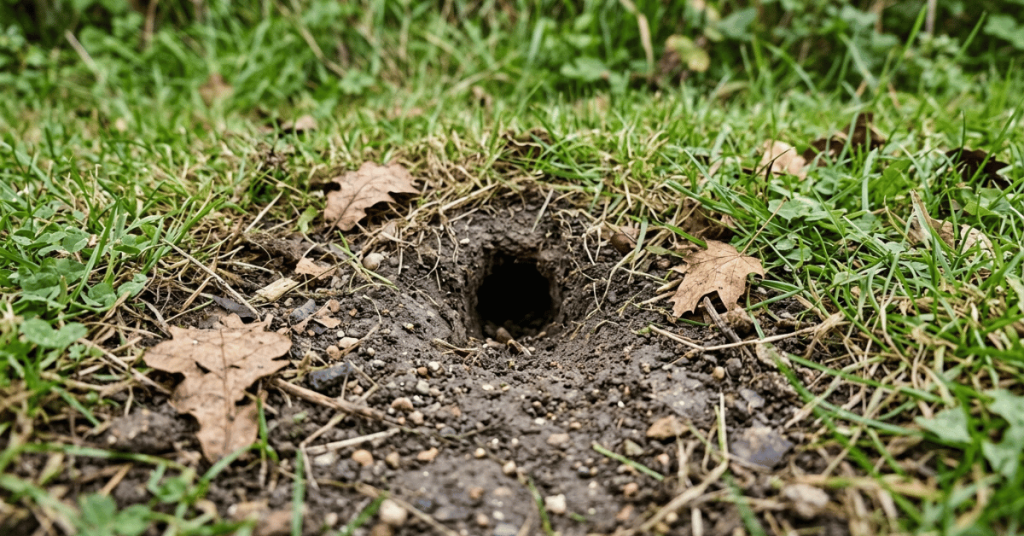
- Diameter: Mouse and vole holes are typically 1 to 2 inches wide.
- Shape: Usually clean, circular openings with no mounds of dirt.
- Placement: Often found near protective cover, such as tall grass, mulch, or foundation edges.
- Evidence: Look for nearby runways, chewed vegetation, or small droppings.
Visual Characteristics of Mouse and Vole Holes
The most common confusion regarding yard holes involves distinguishing between field mice and voles. In many cases, homeowners use the term “mouse hole” to describe the tunnels created by meadow voles, which are often mistaken for mice due to their similar size and appearance. A typical mouse or vole hole is remarkably unassuming. You will rarely see large piles of excavated soil, as these creatures are efficient at moving dirt into existing crevices or spreading it out to remain inconspicuous.
The entrance is almost always perfectly circular, measuring roughly the diameter of a golf ball or slightly smaller. If the hole is significantly larger—say, three inches or more—you are likely looking at the work of a rat, a chipmunk, or even a larger ground-dwelling mammal. Mice and voles prefer to keep their entry points tight to avoid attracting predators, which is why they often choose locations that offer immediate concealment.
Also Check: Found a Dead Mouse in Your Yard?
The Role of Runways
One of the most reliable ways to confirm that a hole is being used by a mouse or vole is to look for “runways.” These are narrow, flattened paths in the grass that lead directly to the hole. If you see a series of small, matted trails snaking through your lawn toward a specific opening, it is a strong indicator of consistent traffic. Mice and voles are creatures of habit; they prefer to travel along the same routes to minimize their exposure to hawks, owls, and neighborhood cats. These runways often become more pronounced in late autumn and winter when vegetation dies back, exposing the underlying soil.
Distinguishing Rodent Holes from Other Pests
It is easy to misidentify holes in the yard, especially when other common garden inhabitants are present. To avoid unnecessary alarm, compare your findings against these common look-alikes. For instance, chipmunks often create holes that are similar in size but are frequently accompanied by a small pile of dirt or debris near the entrance. They are also more active during the day, whereas mice and voles are primarily nocturnal or crepuscular.
Comparing Common Yard Burrows
| Pest Type | Typical Hole Size | Entrance Characteristics |
|---|---|---|
| Field Mouse/Vole | 1–2 inches | Clean, no dirt mound, often near cover |
| Chipmunk | 2–3 inches | Often has a dirt pile, near rocks or foundations |
| Norway Rat | 3–4 inches | Large, ragged entrance, often near water or trash |
| Mole | N/A (Ridge) | Creates raised soil ridges rather than open holes |
Moles are perhaps the most common source of confusion. Unlike mice, which dig holes to live in, moles dig tunnels to hunt for earthworms and grubs. You will rarely see a clean, circular hole from a mole; instead, you will see raised ridges of soil that run across your lawn. If you have holes that look like chimneys or volcanoes, those are likely earthworm castings or the work of cicada killers, not rodents. Understanding these distinctions is vital for effective pest management, as the strategies for deterring a mole—which is insectivorous—differ significantly from those used for rodents that feed on vegetation.
Where to Look for Activity
Mice and voles are highly sensitive to their environment. They do not typically build holes in the middle of a wide-open, manicured lawn because doing so would leave them vulnerable. Instead, you should focus your search on the edges of your property. Look along the base of foundations, under dense shrubbery, near woodpiles, or beneath thick layers of mulch. These areas provide the necessary cover that these small mammals require to feel safe.
If you have a garden, check near the base of your plants. Voles, in particular, are known for gnawing on the roots and stems of ornamental plants and vegetables. If you notice a plant suddenly wilting or tipping over, check the soil around the base for small, circular holes. This is a classic sign of root damage caused by rodents feeding just below the surface. In winter, look for damage to the bark of young trees or shrubs near the ground level, which is a hallmark of vole activity when other food sources are scarce.
The Ecological Context of Rodent Burrows
To truly understand what do mouse holes in the yard look like, it helps to view them as part of a larger ecosystem. Rodents are prey species, and their burrowing behavior is a direct response to the need for protection and thermal regulation. In the summer, burrows help them escape the heat, while in the winter, they provide a stable microclimate that protects them from freezing temperatures. When you see these holes, you are observing a survival strategy in action.
From a landscape maintenance perspective, these burrows can sometimes be beneficial by aerating the soil, but the trade-offs are often negative. The primary concern is the potential for structural intrusion. If a burrow is located within a few feet of your home’s foundation, it acts as a highway for rodents to find gaps in siding, vents, or utility lines. Recognizing these holes early allows you to implement habitat modification before the population grows or moves indoors.
Practical Steps for Property Management
Once you have identified the holes, the next question is what to do about them. If the activity is localized and not causing significant damage, many homeowners choose to monitor the situation. However, if you suspect the rodents are moving toward your home, taking proactive measures is essential. The most effective strategy is to reduce the habitat that attracts them in the first place.
Start by clearing away debris, such as piles of leaves, branches, or scrap wood, which provide excellent hiding spots. If you have mulch against your home’s foundation, consider pulling it back a few inches to create a barrier. This makes the area less hospitable for rodents and allows you to spot any new holes more easily. Maintaining a clean, tidy yard is the single most effective way to discourage mice and voles from establishing a permanent residence on your property.
If you find holes directly against your foundation, it is vital to inspect your home for potential entry points. Use steel wool or hardware cloth to seal any gaps or cracks that could allow a rodent to transition from the yard into your wall voids or basement. By addressing the exterior environment, you significantly lower the risk of a minor yard issue becoming a major indoor pest problem. Remember that consistent landscape maintenance is more effective than sporadic attempts at removal; by making your yard less “attractive” to rodents, you encourage them to move to more suitable, less managed areas.
Long-Term Prevention Strategies
Beyond simply filling holes, long-term success requires changing the environment. Consider the layout of your garden beds. If you have thick ground cover, such as ivy or dense ornamental grasses, these are prime nesting sites for voles. Thinning out these plantings can reduce the amount of cover available, making the area less attractive to rodents. Additionally, consider the use of hardware cloth buried around the base of vulnerable trees or garden beds to create a physical barrier that prevents rodents from accessing roots.
Water management also plays a role. Rodents, like all animals, need water. If you have leaky irrigation lines or standing water in your yard, you are providing a resource that encourages them to stay. Fixing these issues is a simple yet effective step in your overall pest management plan. By combining these physical barriers with regular yard cleanup, you create a comprehensive defense that addresses the root causes of rodent presence rather than just the symptoms.
FAQ
Are mouse holes in the yard dangerous?
While mouse and vole holes are generally not dangerous to humans, they can indicate a high population of rodents on your property. The primary concern is their potential to damage garden roots, landscaping, or eventually seek shelter inside your home if the weather turns cold.
Should I fill in the holes I find?
Filling in holes can be a useful diagnostic tool. If you pack the hole with loose soil and it is cleared out again within 24 to 48 hours, you know the burrow is currently active. If it remains filled, the rodents have likely moved on.
How can I tell if a hole is currently in use?
Active holes often show signs of fresh excavation, such as loose dirt pushed to the side, or the presence of nearby runways (flattened grass paths). You might also see small droppings near the entrance or signs of chewed vegetation.
Do I need to call a professional for yard mice?
In most cases, you can manage the situation by modifying your yard’s landscape, such as removing brush and keeping grass trimmed. If you notice signs of rodents inside your home or if the yard damage is extensive, contacting a professional is a wise decision to prevent further property damage.