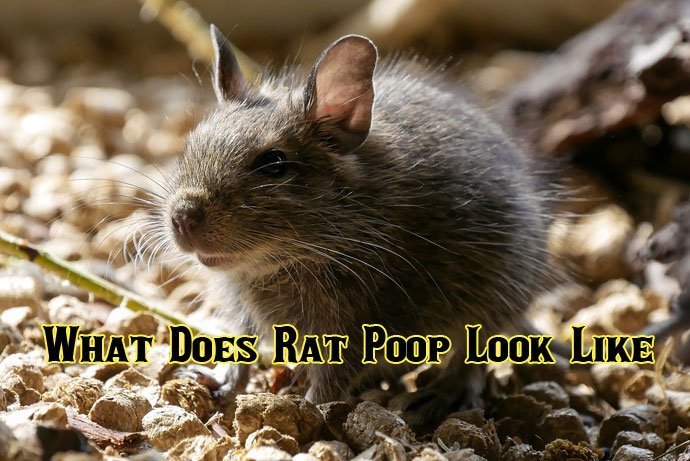
When you hear scratching in the walls or discover droppings in your pantry, your first instinct is to determine exactly what kind of pest has invaded your space. Knowing how to identify a deer mouse is essential because these rodents carry specific health risks, such as Hantavirus, that differ from common house mice. By focusing on distinct physical markers and behavioral patterns, you can accurately distinguish them from other rodents and take the appropriate steps to secure your home.
This guide provides a systematic approach to identifying these elusive creatures. We will walk through the physical traits that set them apart, the signs they leave behind, and how to verify their presence without putting yourself at unnecessary risk. Our goal is to give you the clarity needed to decide whether you are dealing with a localized issue or a situation that requires professional intervention.

Before You Start: Understanding the Risks and Identification Basics
Before you begin your inspection, it is vital to prioritize safety. Deer mice (Peromyscus maniculatus) are known carriers of pathogens, including Hantavirus pulmonary syndrome. Never handle a live or dead rodent with your bare hands, and avoid sweeping or vacuuming dry droppings, as this can aerosolize harmful particles. Always wear a mask and gloves if you are inspecting areas where you suspect rodent activity.
Identification is not just about spotting a mouse; it is about observing specific anatomical details. Many people mistake the common house mouse (Mus musculus) for the deer mouse. The primary difference lies in their coloration and tail structure. While a house mouse is typically a uniform dusty gray, the deer mouse features a distinct bicolored appearance. Understanding these visual cues is the first step in your assessment. If you are uncomfortable or if you see signs of a large-scale infestation, such as multiple nests or significant structural damage, it is often safer to contact a professional pest control service rather than attempting to manage the situation yourself.
Preparation involves having the right tools for a safe inspection. You will need a high-powered flashlight to peer into dark corners, a camera to document any findings for later verification, and protective gear. Avoid the temptation to move quickly or disturb nesting materials, as this can cause the animals to scatter or release dander. By taking a methodical, cautious approach, you ensure that your identification process is both accurate and safe for everyone in your household.
Tools and Prerequisites for Accurate Identification
To identify a deer mouse, you need more than just a keen eye. You need a structured approach to observation. A strong, LED flashlight is your most important tool, as deer mice are nocturnal and prefer dark, secluded spaces like attics, crawl spaces, and wall voids. You should also have a notepad to track where you see signs, as this helps in determining the scale of the activity.
Understanding the habitat preferences of the deer mouse is a prerequisite for success. Unlike house mice, which thrive in urban environments, deer mice are primarily woodland creatures that occasionally seek shelter in homes during colder months. If your home is near wooded areas, brush, or tall grass, the likelihood of encountering a deer mouse increases significantly. Recognizing this environmental context is just as important as identifying the physical traits of the animal itself. When conducting a home inspection, look for signs of entry near the foundation, such as gaps around utility lines or vents, as these are common access points for rodents seeking warmth.
Step-by-Step Identification Process
1. Examine the Physical Coloration
The most reliable way to identify a deer mouse is by its coat. Look for a clear, bicolored pattern. The upper body is typically reddish-brown or grayish-brown, while the belly, feet, and the underside of the tail are stark white. If the mouse is a uniform color, it is likely a common house mouse, not a deer mouse. This contrast is often quite sharp, making it a reliable diagnostic feature even in low-light conditions.
2. Inspect the Tail Structure
Observe the tail closely. A deer mouse has a tail that is relatively short compared to its body length, and it is distinctly bicolored—dark on top and white on the bottom. In contrast, the house mouse has a tail that is nearly the same length as its body and is uniformly dark or grayish. This is a definitive diagnostic feature. When observing the tail, notice the hair density as well; deer mice often have slightly furrier tails than house mice.
3. Check the Eyes and Ears
Deer mice have larger, more prominent eyes and ears relative to their head size compared to other mouse species. Their ears are often covered in fine, light-colored hairs. If the mouse appears to have a more delicate, “woodland” appearance with large, alert eyes, it is a strong indicator that you are dealing with a deer mouse. These features are evolutionary adaptations for their nocturnal behavior in forest environments.
4. Analyze Droppings and Nesting Habits
Deer mouse droppings are typically 1/8 to 1/4 inch long with pointed ends. While they look similar to house mouse droppings, the context of where you find them matters. Deer mice often cache food in hidden locations and build nests out of shredded paper, fabric, or plant materials in wall voids or attics. If you find a cache of seeds or nuts in a secluded area, this is a classic sign of deer mouse behavior. Unlike house mice, which may scatter droppings throughout their range, deer mice often concentrate their waste near their nesting sites.
The Importance of Rodent Identification in Health Safety
Distinguishing between species is not merely an academic exercise; it is a critical component of public health. Because deer mice are the primary vector for Hantavirus, identifying them correctly dictates the level of caution required during cleanup. If you suspect a deer mouse, you must treat the area as a biohazard. This means using wet-cleaning methods—spraying droppings with a disinfectant solution before wiping them up—to prevent the inhalation of dust. Understanding the specific risks associated with Peromyscus maniculatus helps you avoid the common mistake of treating a potentially dangerous infestation with the same casual approach one might use for a common house mouse.
Environmental Factors and Seasonal Trends
Deer mice are highly seasonal in their movements. During the spring and summer, they are rarely found inside human dwellings, preferring to live in woodpiles, hollow logs, or abandoned bird nests. As temperatures drop in the autumn, these rodents seek out structures that offer warmth and food security. If you notice an uptick in activity during the first cold snap of the year, it is a strong indicator that you are dealing with a seasonal invasion of deer mice. This behavioral pattern is a key part of wildlife management; by sealing your home before the first frost, you can prevent them from establishing a foothold in your attic or crawl space.
Advanced Inspection Techniques
If visual identification remains difficult, consider using non-toxic tracking methods. Placing a thin layer of non-toxic tracking powder or flour on the floor near suspected entry points can reveal footprints. Deer mouse tracks will show a distinct gait, and because they are agile climbers, you might find these tracks on shelves or rafters where house mice are less likely to venture. Additionally, using motion-activated cameras can provide definitive proof of the species without requiring you to get close to the animal. This is particularly useful for identifying the specific entry points they use to access your home, allowing for more effective exclusion strategies.
Common Mistakes in Identification
A frequent error is assuming that all mice in a home are the same species. Many homeowners treat every rodent sighting as a house mouse infestation, ignoring the specific health risks associated with deer mice. Another mistake is relying solely on size. While deer mice are generally small, size can be deceptive depending on the age of the animal. Always prioritize color patterns and tail structure over body size.
People also often fail to check the exterior of their home. If you are trying to identify the source of the problem, look for entry points near the foundation, such as gaps around utility lines or vents. Deer mice are excellent climbers and can enter through small openings in the roofline. Ignoring the exterior during your identification process often leads to incomplete solutions. Always inspect the perimeter for gaps larger than a quarter-inch, as these are sufficient for a deer mouse to squeeze through.
Troubleshooting Your Findings
If you are struggling to identify the mouse, try setting up a non-lethal tracking station. Place a small amount of flour or talcum powder on a flat surface near where you suspect activity. The footprints left behind can help you determine the size and movement patterns of the rodent. If the prints are consistently found near exterior walls or insulation, it reinforces the likelihood of a deer mouse presence.
If you remain uncertain, do not guess. If you find signs of nesting or droppings, document them with clear photos. If you are still unsure, contact a local wildlife extension or a professional pest control expert. They can provide a definitive identification based on local species data and your specific evidence. When in doubt, prioritize safety and assume the presence of a vector-borne disease carrier until proven otherwise. Professional intervention is especially recommended if you have children or pets in the home, as the risk of accidental exposure to droppings or nesting materials is significantly higher in these environments.
Long-Term Prevention and Exclusion
Once you have identified the presence of deer mice, the focus must shift to exclusion. Simply removing the current occupants is insufficient if the entry points remain open. Use steel wool or hardware cloth to seal gaps, as deer mice can easily chew through wood, plastic, and rubber. Focus on areas where utility pipes enter the home, as these are common “highways” for rodents. By combining accurate identification with proactive sealing, you can effectively manage the risk and keep your home free of these woodland invaders.
FAQ
How can I tell the difference between a deer mouse and a house mouse?
The most effective way to identify a deer mouse is by its bicolored coat. Deer mice have a reddish-brown or grayish-brown back with a distinct white belly and white feet. Their tails are also bicolored, dark on top and white on the bottom. House mice are typically a uniform dusty gray or brown color with a uniformly dark tail.
Are deer mice dangerous to humans?
Yes, deer mice are considered significant health risks because they are the primary carriers of Hantavirus, a serious respiratory disease. They can also carry other pathogens. Because of these risks, it is important to avoid direct contact with them, their droppings, or their nesting materials. Always use protective equipment if you must clean up areas where they have been active.
Where do deer mice usually hide in a house?
Deer mice prefer secluded, dark areas. You are most likely to find them in attics, crawl spaces, wall voids, and basements. They are particularly attracted to areas with insulation or stored materials where they can build nests. They often cache food, so check pantry shelves or storage boxes in garages and sheds for signs of stored seeds or nuts.
Should I try to trap the mice myself?
If you have identified a deer mouse, you should be extremely cautious. Because of the risk of Hantavirus, many health agencies recommend professional pest control services for deer mouse infestations. If you choose to manage it yourself, ensure you use proper personal protective equipment, including a respirator and gloves, and follow strict sanitation protocols to avoid inhaling dust from droppings or nesting materials.