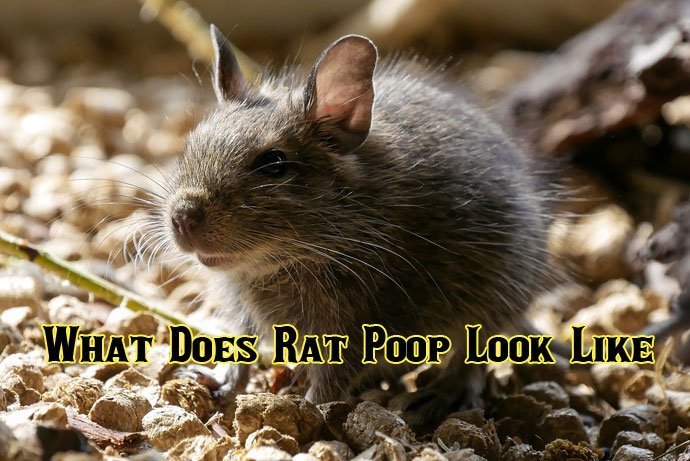
Understanding the dietary habits of the deer mouse (Peromyscus maniculatus) is essential for anyone interested in local ecology or pest management. These small rodents are remarkably adaptable, which is a primary reason they thrive in such a wide range of habitats across North America. When asking what do deer mouse eat, the answer is rarely a single item; rather, it is a complex, shifting menu dictated by the immediate availability of resources in their environment.
Because they are opportunistic omnivores, deer mice do not rely on a specialized food source. Instead, they constantly scan their surroundings for the most energy-dense options available. This behavior allows them to survive in forests, grasslands, and even agricultural zones where food availability fluctuates significantly throughout the year. By examining their dietary patterns, we can better understand how these animals maintain their populations and interact with their ecosystems.
At a Glance: The Opportunistic Diet of the Deer Mouse
- Primary Staples: Seeds, grains, nuts, and berries.
- Seasonal Supplements: Insects, larvae, and fungi.
- Opportunistic Finds: Human food scraps, pet food, and birdseed.
- Foraging Style: Nocturnal collection and cache building.
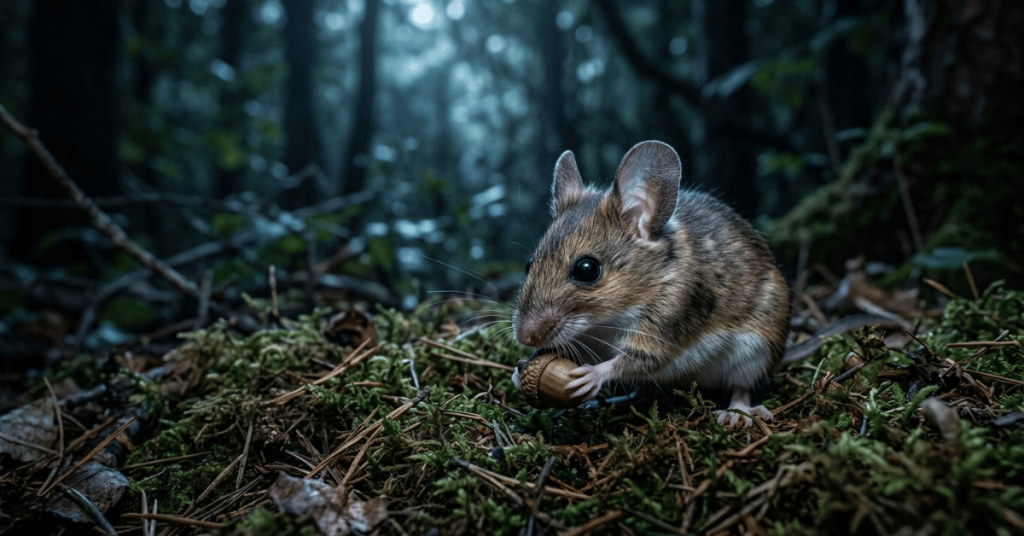
The Core Nutritional Requirements
At the most basic level, the deer mouse is an omnivore that prioritizes high-energy intake. In the wild, their survival depends on their ability to locate carbohydrates and fats, which are essential for maintaining body temperature during cold nights. Their digestive systems are highly efficient at processing a variety of plant and animal matter, allowing them to extract nutrients from sources that other species might ignore. Understanding their nutritional requirements involves looking at the specific biological needs of Peromyscus maniculatus, which include high metabolic rates that necessitate frequent feeding.
Seeds and Grains as a Foundation
Seeds are the backbone of the deer mouse diet. They are calorie-dense, easy to store, and available in almost every habitat the mouse occupies. From the seeds of native grasses to those found in agricultural fields, these rodents are expert foragers. They possess specialized cheek pouches that allow them to carry multiple seeds back to a secure location, a behavior known as caching. This ensures they have a reliable food supply even when foraging conditions are poor. In practice, this means that areas with high seed production, such as deciduous forests during mast years, often see a corresponding spike in deer mouse populations.
The Role of Invertebrates
While plant matter provides the bulk of their calories, deer mice actively seek out protein, especially during the spring and summer months. Insects, caterpillars, spiders, and even small snails are common targets. This protein intake is particularly important for reproductive success and for the growth of young mice. By consuming insects, deer mice also play a role in regulating local invertebrate populations, acting as a small but significant link in the forest food web. This invertebrate consumption is not merely incidental; it is a strategic dietary choice that provides essential amino acids not found in a strictly seed-based diet.
Fungi and Vegetation
Beyond seeds and insects, deer mice are known to consume various types of fungi, including hypogeous fungi (truffles) that grow underground. This is a critical aspect of their diet in forest ecosystems. By eating these fungi, they ingest spores that are then distributed throughout the forest floor via their droppings, which aids in the dispersal of mycorrhizal fungi essential for tree health. Additionally, they will consume fresh green vegetation, such as tender shoots and leaves, when other high-energy foods are scarce, demonstrating their flexibility as opportunistic feeders.
Seasonal Shifts in Foraging
One of the most fascinating aspects of the deer mouse is its ability to adjust its diet based on the time of year. They do not hibernate, which means they must remain active throughout the winter. Consequently, their foraging strategy changes drastically as the seasons progress, reflecting the availability of resources in their specific habitat.
Spring and Summer Abundance
During the warmer months, the environment is rich with variety. Deer mice take full advantage of this by consuming fresh vegetation, berries, and a wide array of insects. This is a period of growth and energy storage. They are less reliant on stored caches during these months because fresh, nutrient-rich food is readily available in the undergrowth. Foraging during these months is often more exploratory, as the mice expand their home ranges to take advantage of ephemeral food sources like ripening fruits or seasonal insect hatches.
Autumn Caching and Winter Survival
As autumn approaches, the behavior of the deer mouse shifts toward preparation. They become prolific collectors, gathering seeds, nuts, and acorns to store in underground burrows or hollow logs. This cache is their insurance policy against the winter. When snow covers the ground and fresh vegetation dies back, they rely almost exclusively on these stored reserves. A common mistake in understanding their winter behavior is assuming they are dormant; in reality, they are quite active beneath the snow, moving between their nests and their food caches. This food caching behavior is a sophisticated adaptation that allows them to survive in environments where temperatures drop well below freezing.
Human-Adjacent Foraging Habits
Because deer mice are highly adaptable, they frequently interact with human environments. When natural food sources are scarce or when human structures provide easy access, these mice will readily incorporate anthropogenic food into their diet. This is often where conflict arises, as their presence in sheds, garages, or homes is usually driven by the search for calories.
Common Attractants
Birdseed is perhaps the most significant attractant in residential areas. It is high in fat and protein, making it an ideal food source for a mouse preparing for winter. Similarly, pet food left in garages or outdoor areas provides an easy, high-calorie meal that requires very little effort for the mouse to acquire. Stored grains, such as those found in barns or garden sheds, are also primary targets. Even compost piles can serve as a magnet for these rodents, as they offer a diverse mix of discarded organic matter that is easy to scavenge.
The Risk of Opportunistic Feeding
When deer mice find a consistent food source near human activity, they are likely to remain in that area. This leads to the establishment of nests in close proximity to the food supply. While they are simply following their biological imperative to find the most efficient energy source, this behavior often leads to property damage or the contamination of food storage areas. Understanding that they are drawn to these specific items is the first step in managing their presence effectively. For homeowners, this means that securing food sources—such as storing pet food in airtight containers and cleaning up spilled birdseed—is a more effective deterrent than relying on traps alone.
Ecological Impact of Their Diet
The diet of the deer mouse has a cascading effect on the environment. By consuming large quantities of seeds, they influence the germination patterns of various plant species. Some seeds are consumed entirely, while others are cached and forgotten, effectively acting as a dispersal mechanism that helps certain plants colonize new areas. This seed predation and dispersal is a delicate balance; too many mice can prevent forest regeneration, while the right number can actually help maintain plant diversity.
The Predator-Prey Relationship
Furthermore, their role as predators of insects helps keep certain pest populations in check. While they are often viewed solely through the lens of human conflict, they are vital components of the ecosystem. Their dietary choices support the health of the soil through their burrowing and caching activities, and they serve as a critical food source for various predators, including owls, snakes, and foxes, which rely on the deer mouse to sustain their own populations. This makes the deer mouse a keystone species in many North American habitats, as their population fluctuations directly impact the success of their predators.
Nutrient Cycling and Soil Health
The foraging habits of deer mice also contribute to nutrient cycling. By gathering food from a wide area and concentrating it in their nests or caches, they redistribute nutrients across the landscape. Their waste products, combined with the decomposition of forgotten food caches, introduce organic matter into the soil, which can benefit local plant growth. This subtle ecological impact highlights the importance of viewing these rodents not just as pests, but as active participants in the maintenance of their environment.
In summary, the deer mouse is a master of dietary flexibility. By balancing a core intake of seeds and grains with seasonal protein from insects and opportunistic consumption of human-provided food, they ensure their survival across diverse and changing landscapes. Recognizing these habits helps clarify why they are so successful and why they are so frequently encountered in both wild and human-occupied spaces. Understanding their role as opportunistic omnivores is the key to both appreciating their ecological function and managing their interactions with human structures.
FAQ
Do deer mice eat garden vegetables?
Yes, deer mice are opportunistic and will consume garden vegetables, fruits, and seedlings if they are accessible. They are particularly attracted to soft, nutrient-rich plant parts during the growing season.
How do deer mice find food in the winter?
Deer mice rely on food caches they have created during the autumn. They store seeds, nuts, and grains in protected areas like burrows or hollow logs to sustain themselves when natural food sources are unavailable.
Are deer mice strictly herbivores?
No, they are omnivores. While seeds and grains make up the bulk of their diet, they regularly consume insects, larvae, and other small invertebrates to meet their protein requirements.
Why are deer mice attracted to bird feeders?
Bird feeders provide a concentrated, high-energy food source. Seeds and grains are exactly what deer mice naturally seek out, and the ease of access makes bird feeders a primary target for foraging.