
When considering what do field mouses eat, it is helpful to first understand that these small rodents are highly opportunistic foragers. Often referred to as meadow voles or deer mice, these creatures are not picky eaters; they adapt their diet based on the immediate availability of food sources in their environment. Their survival strategy relies on consuming a wide variety of plant matter, seeds, and occasionally insects, allowing them to thrive across diverse landscapes ranging from agricultural fields to suburban gardens.
Because their metabolic rates are incredibly high, field mice must forage almost constantly to maintain their energy levels. This constant search for food is what often leads them to interact with human-inhabited spaces, as they are drawn to reliable, calorie-dense sources of nutrition. Understanding their dietary preferences is the first step in recognizing their role in the local ecosystem and identifying why they might be attracted to specific areas of your property.
At a Glance: The Field Mouse Diet
- Primary Staples: Seeds, grains, nuts, and grasses.
- Seasonal Supplements: Berries, fruits, and soft plant stems.
- Opportunistic Proteins: Insects, larvae, and occasionally small carrion.
- Foraging Behavior: Primarily nocturnal, seeking food near cover to avoid predators.
Key Takeaway:
Field mice are opportunistic omnivores. Their diet is defined by high-energy seeds and grains, supplemented by seasonal vegetation and protein. Their foraging is driven by a high metabolic rate, requiring them to constantly locate and consume nutrient-dense food to survive extreme temperatures and high activity levels.
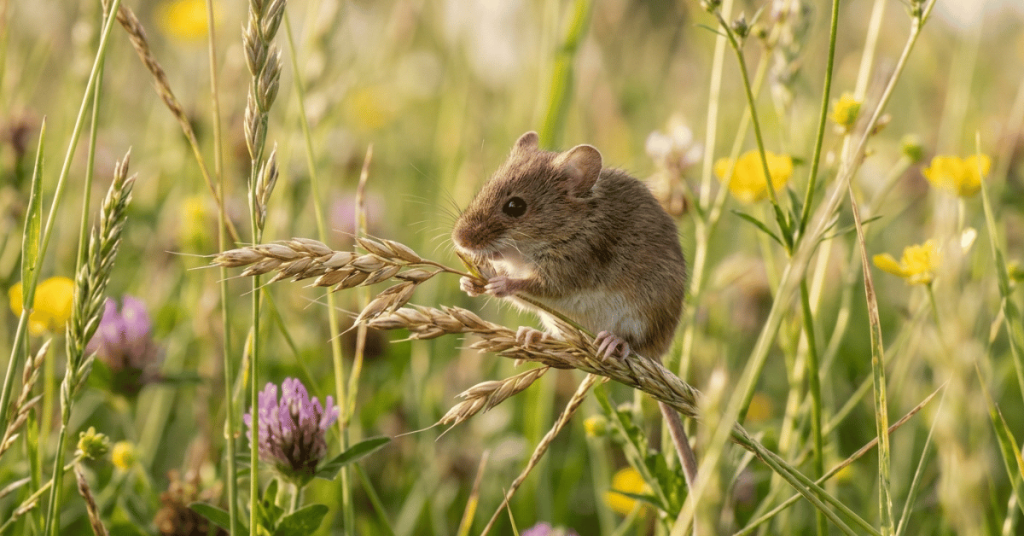
The Core Nutritional Requirements of Field Mice
At their most basic level, field mice are herbivores with a strong inclination toward seeds and grains. In the wild, these items provide the high-density carbohydrates necessary to power their small bodies. During the late summer and autumn months, you will often find them actively gathering and caching these food sources to prepare for the winter. This behavior is a survival mechanism, ensuring they have a stockpile of energy when fresh vegetation becomes scarce.
Seeds and Grains
Seeds are the cornerstone of a field mouse’s diet. They possess the ability to crack open tough husks to reach the nutrient-rich kernels inside. In agricultural settings, this makes them significant consumers of wheat, corn, oats, and barley. If you have a garden or a bird feeder, you are likely providing a buffet that mimics their preferred natural diet, which is why they are frequently spotted near these locations. The nutritional profile of these seeds—rich in fats and carbohydrates—is essential for maintaining their body temperature during cold nights.
Grasses and Forbs
Beyond seeds, field mice consume a significant amount of green plant material. They graze on various grasses, clover, and broad-leafed weeds. This vegetation provides essential moisture and fiber. In the spring and early summer, when new growth is abundant, you may notice signs of their feeding activity in lawns or meadows, where they create small, cleared paths or “runways” through the grass to reach these food sources safely. These runways serve a dual purpose: they provide a hidden transit route from their nest to their feeding grounds, minimizing exposure to avian predators like hawks or owls.
The Role of Protein and Micronutrients
While often classified as herbivores, field mice require specific amino acids and minerals that are most efficiently sourced from animal matter. This is why they occasionally consume insects, larvae, and even shed exoskeletons. This protein intake is not a primary food source but acts as a vital supplement, especially during the reproductive season. When natural vegetation is low in specific nutrients, the opportunistic nature of the field mouse allows them to pivot toward these protein-rich alternatives.
Seasonal Shifts in Feeding Habits
What do field mouses eat changes dramatically throughout the year. Their diet is a direct reflection of the phenology of their habitat—the timing of plant growth, flowering, and fruiting. A common mistake is assuming that mice have a static, year-round menu; in reality, they are masters of seasonal adaptation.
Spring and Summer Abundance
During the warmer months, the diet is dominated by fresh, succulent plant parts. They consume tender shoots, flower buds, and various berries. Insects also become a more prominent part of their diet during this time. While they are primarily plant-eaters, they will not pass up a protein-rich meal like a beetle or a caterpillar if the opportunity arises. This protein intake is particularly important for breeding females who require extra nutrients to support their litters. The availability of water-rich vegetation also reduces their need to travel long distances for hydration.
Autumn Caching and Winter Survival
As temperatures drop, the availability of fresh greens disappears. This is the period of intense foraging. Field mice will spend hours gathering fallen nuts, acorns, and dried seeds. They are well-known for their hoarding behavior, creating elaborate underground caches. If you find small piles of seeds in an unexpected place, it is a hallmark sign of a mouse’s winter storage strategy. During the winter, they rely almost exclusively on these stored dry goods to survive until the ground thaws. This caching behavior is highly strategic; they often organize their caches by food type, ensuring a balanced intake even when they cannot leave their burrows.
The Role of Environment in Foraging
The specific diet of a field mouse is heavily dictated by the geography of its home range. A mouse living in a dense forest will have a vastly different menu than one living in a grassy meadow or near a human structure. Their foraging strategy is risk-averse; they prefer to feed in areas where they have quick access to cover, such as tall grass, rock piles, or debris.
Human-Modified Landscapes
In suburban or rural residential areas, field mice often expand their diet to include human-provided food. This includes pet food left outdoors, spilled birdseed, or compost piles. Because these sources are often more concentrated than natural food, they can support higher densities of mice. If you are trying to discourage mice from your immediate vicinity, managing these artificial food sources is far more effective than attempting to alter the natural vegetation. The caloric density of human food—often higher in fats and refined sugars—can lead to larger litters and higher survival rates for local mouse populations.
The Impact of Competition
It is worth noting that field mice are not the only animals competing for these food resources. Voles, chipmunks, and birds all share similar dietary preferences. This competition drives the mice to be highly efficient at locating food. They use a keen sense of smell to detect ripening seeds and fruits, often arriving at a food source just as it becomes available. This interspecies competition often forces field mice to shift their activity patterns, sometimes becoming more nocturnal to avoid daytime competitors like squirrels or birds.
Practical Considerations for Property Owners
If you are observing field mice on your property, the most important takeaway is that they are driven by the search for calories. They are not looking to cause damage for the sake of it; they are simply fulfilling a biological imperative. If you want to reduce their presence, you must focus on limiting access to the food they prioritize.
A common mistake is focusing solely on the mice themselves rather than the environment that sustains them. Removing brush piles, keeping grass trimmed, and ensuring that bird feeders are not spilling seed onto the ground are all practical steps. By reducing the “edge habitats” where they feel safe to forage, you naturally make your property less attractive to them. Remember that they are a natural part of the ecosystem, and their presence is usually a sign of a healthy, productive landscape that offers plenty of natural food.
Strategic Habitat Management
To effectively manage field mouse populations, consider the “foraging radius.” Most field mice do not travel far from their nest if they don’t have to. By creating a buffer zone of short, well-maintained grass around your home or garden, you create an area that offers no cover for the mouse. Since they are vulnerable to predators in open spaces, they are less likely to cross these zones to reach your stored food or garden beds. This is a passive, long-term strategy that works with the natural behavior of the animal rather than against it.
Monitoring and Observation
Understanding the signs of foraging can help you identify where they are feeding. Look for “gnaw marks” on hard shells, discarded seed hulls, or small, shallow excavations in the soil. These are clear indicators of active foraging. By mapping these signs, you can pinpoint the specific food sources attracting them. For instance, if you see high activity near a compost bin, it may be time to switch to a more secure, lidded container. If the activity is near a bird feeder, consider moving the feeder further from the house or using a tray to catch falling seeds.
Ultimately, understanding what do field mouses eat provides a clear picture of their behavior. They are opportunistic, seasonal, and highly efficient. By viewing your property through the lens of a foraging rodent, you can better understand why they choose certain areas over others and take informed, practical steps to manage their activity in a way that respects the natural balance of your local environment.
FAQ
Do field mice eat insects?
Yes, while they are primarily herbivorous, field mice are opportunistic omnivores. They will consume insects, larvae, and occasionally small invertebrates, especially during the spring and summer when these protein sources are readily available.
Why do field mice store food?
Field mice store food, a behavior known as caching, to ensure they have a reliable energy supply during the winter months when fresh vegetation, seeds, and fruits are no longer available in the environment.
Do field mice eat garden vegetables?
Yes, field mice may feed on garden vegetables, particularly tender seedlings, roots, and fruits. They are often attracted to the moisture and nutrients found in garden produce.
What is the most common food source for field mice?
The most common food sources for field mice are seeds and grains. These provide the high-energy carbohydrate content required to support their high metabolic rates.